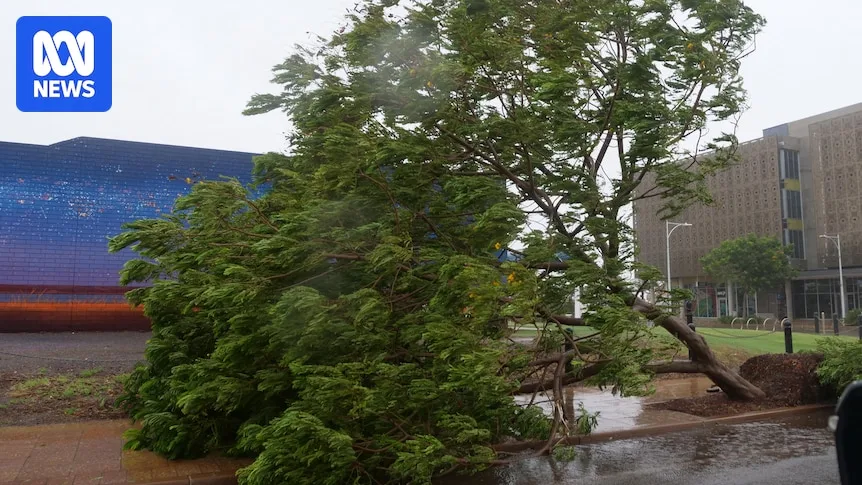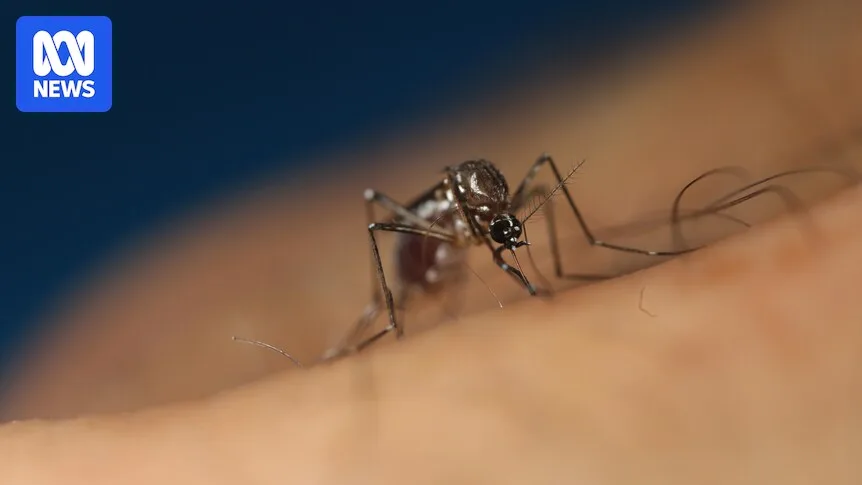
Heavy rainfall and flooding across northern Australia and the eastern seaboard have raised concerns about a surge in mosquito-borne diseases, prompting a warning for Geelong pensioners. Medical experts highlight that stagnant water left by floods creates ideal breeding conditions for mosquitoes, increasing the risk of infections such as Ross River virus, Barmah Forest virus, and Japanese encephalitis.
Ross River virus, the most common mosquito-borne disease in Australia, causes fever, chills, headache, and debilitating muscle pain that can last for months. Barmah Forest virus leads to similar symptoms, while Murray Valley encephalitis, though rare, can cause brain swelling. Japanese encephalitis, recently introduced, is particularly concerning as severe cases can result in confusion, seizures, and fatal brain infections.
Tanya Russell, a research fellow at the Australian Institute of Tropical Health and Medicine, noted that the wet and hot conditions have filled yards, gutters, and ponds with stagnant water, perfect for mosquito breeding. She urged residents to remove standing water from their properties after floodwaters recede, including cleaning gutters and covering rainwater tanks.

Cameron Webb, a medical entomologist from NSW Health Pathology, advised that the risk of disease is not immediate but builds gradually over weeks. He recommended wearing loose-fitting long-sleeved shirts, long pants, and covered shoes, along with insect repellent containing DEET. For those in high-risk areas like piggeries, the Japanese encephalitis vaccine is advised.
Jason Mackenzie from the University of Melbourne's Peter Doherty Institute emphasized that Japanese encephalitis is the most dangerous mosquito-borne disease in Australia. He noted that flooding in southern regions, including Victoria, has driven upticks in infections. Geelong pensioners, particularly those near waterbird habitats or pig farms, are urged to take precautions as the risk persists for weeks or months during the recovery period.