Coroner Finds Missed Scan Signs Led to Young Man's Death After Motorbike Crash
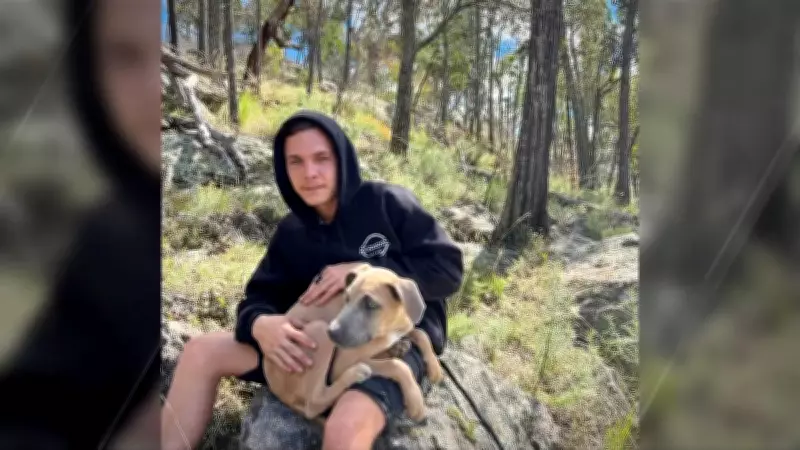
A devastating coronial inquest has uncovered that a young man who survived a severe motorbike crash died weeks later after medical professionals failed to recognise a life-threatening injury that was clearly visible on a scan. Kyle Gallagher, aged 22, tragically passed away due to an airway obstruction that had been identified in imaging but was not acted upon urgently.
Details of the Accident and Hospital Admissions
On June 17, 2023, Kyle Gallagher was involved in a horrific motorbike accident on Boundary Rd in Narangba, located approximately 40 minutes north of Brisbane. He lost control of his motorcycle and slid into oncoming traffic, colliding with a car. The crash resulted in significant injuries, including a brain injury and multiple physical traumas.
Gallagher spent weeks moving in and out of the Royal Brisbane and Women’s Hospital as he underwent recovery. Twelve days after the accident, he discharged himself against medical advice, only to return later the same day in severe pain and be readmitted. Days later, he left the hospital again before re-presenting on July 6, telling doctors he was in pain and unable to cope at home.

His stepmother, Tegan Samorowski, noted at the time, "Kyle didn’t understand that he’d had an accident. Sometimes he’d move, feel pain and ask, ‘Dad why am I so sore?’" Eventually, he was admitted to the Surgical, Treatment and Rehabilitation Service (STARS) on July 10, after initially being sent home due to a lack of beds. His recovery appeared on track, and his family expected a full recovery.
Worsening Symptoms and Missed Warning Signs
In the days leading up to his death, Gallagher repeatedly complained of throat pain and difficulty breathing, becoming distressed and expressing fear that he could not breathe. Concerned about his care, his family invoked Ryan’s Rule in an effort to take control of medical decisions but were informed he was considered to have capacity.
His symptoms prompted further investigation, including a CT scan of his neck on July 13. A specialist radiologist described his larynx as "grossly abnormal", identifying significant airway narrowing and raising concerns about infection and structural damage. The abnormality was not subtle, and the radiologist contacted clinicians directly to flag concern.
However, the treating ear, nose and throat (ENT) team did not recognise the severity of the situation. The coroner found that "the ENT clinicians did not identify the serious compromise of Kyle’s airway". Instead, clinicians were reassured his airway was stable, meaning no urgent intervention was undertaken despite evidence it had narrowed to a critical degree.
Final Hours and Tragic Outcome
Gallagher remained in a rehabilitation setting overnight, where staff monitored him. Throughout the evening, he became increasingly agitated, repeatedly calling for help and expressing fear he could not breathe. He sent heartwrenching messages to his family pleading for assistance, including a text to his father saying, "I need something to help me breathe. They’re not giving me anything and I won’t make it longer." Loved ones later revealed they believe he knew he was dying.
Staff attributed his symptoms to anxiety and his brain injury, and while he was closely observed, the underlying cause of his deterioration remained unrecognised. The inquest found nursing staff checked on him frequently and acted appropriately based on the information they had, but Gallagher’s condition worsened in the early hours of July 14.
His mother, Christina Dargusch, woke to a missed call from her son. He was later found unresponsive and not breathing. Despite resuscitation efforts, he could not be saved. Gallagher died from airway obstruction caused by a severe laryngeal condition linked to his earlier injuries, which led to hypoxia (a lack of oxygen), despite the obstruction having been identified on a CT scan the day before.

Coroner's Findings and Recommendations
The coroner determined that the ENT assessment on July 13 was not appropriate and did not adequately account for the scan findings, the radiologist’s concerns, or Gallagher’s worsening symptoms. The inquest highlighted broader issues around communication, escalation, and the use of specialist imaging, particularly in complex cases involving junior doctors and busy clinical settings.
A breakdown in communication between junior and senior doctors contributed to the failure to recognise the seriousness of the scan. Recommendations were made to strengthen escalation pathways, improve how radiology findings are incorporated into decision-making, and ensure airway risks are identified and managed earlier to prevent similar tragedies in the future.