Meth-addicted mother released after fatal Adelaide crash deemed not criminally responsible
A mother-of-five with a meth addiction has been released from custody after a judge determined she was not criminally responsible for a deadly high-speed crash in Adelaide that resulted in the death of aspiring actress Erica Hoy. Carlie Richards will now face ten years under strict mental health supervision following the court's decision.
Details of the tragic incident
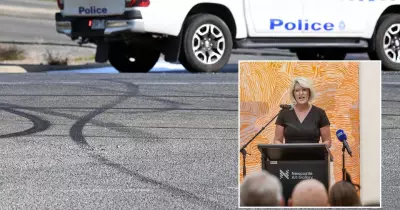
The catastrophic event occurred in November 2022 on the Port River Expressway in Gillman, located in Adelaide's northwest. Richards, aged 41, collided with the back of a car at high speed, causing a fatal impact that killed 26-year-old Erica Hoy and left her twin sister Lisa and boyfriend Mike Reader with serious injuries. The force of the crash propelled their vehicle into the path of a B-triple truck, yet Richards emerged from the incident without any physical harm.
Court ruling and mental health findings
In 2025, the court found Richards mentally incompetent at the time of the crash, attributing her actions to a schizophrenic disorder. The judge ruled that she did not understand the wrongfulness of her behavior, leading to the decision that she should not be held criminally responsible for Hoy's death. This verdict has sparked emotional reactions from the victims' families, who expressed deep devastation and a sense of unfairness over the outcome.

Emotional aftermath and family tributes
Mike Reader, who had planned to marry Erica, described the decision as heartbreaking. "I'm deeply devastated by the verdict ... as someone personally impacted, this decision is difficult to accept," he said. He paid tribute to Erica, stating, "Erica was an incredible person who inspired me deeply. I loved her deeply. She will always have a place in my heart." The judge acknowledged that Richards walking away unharmed likely intensified the families' feelings of injustice.
Future supervision and judicial message
Upon her release, Richards will be under mental health supervision for the next decade. In a final message, the judge urged her to use this opportunity for positive change, saying, "I can only hope that with this second chance, Carlie chooses to become a better person and embraces the responsibility of being a mother in the best way possible." This case highlights the complex interplay between mental health issues and criminal responsibility in tragic events.