Medicare Change Threatens Vision for Macular Degeneration Patients
Australians living with macular degeneration are expressing deep fears that a proposed Medicare change could leave them thousands of dollars out of pocket or even risk losing their sight entirely. The looming reclassification, set to take effect on July 1, would restrict vital eye injections to out-of-hospital appointments, potentially removing coverage under private health insurance.
Financial Crush for Vulnerable Patients
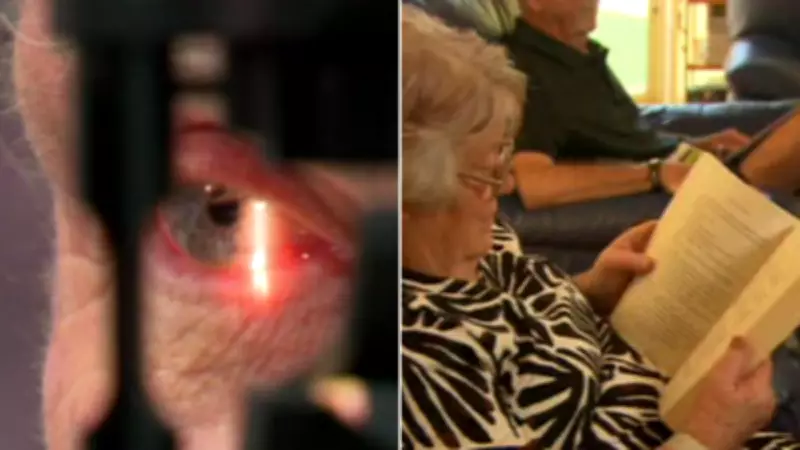
South Australian pensioner Lesley Morton says the change would be financially crushing for her and her husband. Morton relies on regular injections to preserve her vision and warns that losing access would be devastating. "If you don't have treatment, you end up going blind," she told reporters. "If we can't have what we want with our private health, why do we have private health?"
Under advice given to the federal health minister, Medicare would limit the treatment to out-of-hospital settings. This means private health insurance would no longer cover the injections for patients who currently receive them in hospital. Instead, these individuals would face full out-of-pocket costs, which could run into thousands of dollars each year.

Impossible Burden for Low-Income Families
For the Mortons, who live on a combined pension of $46,000 a year, absorbing such costs is impossible. They already spend a fifth of their income on private health insurance. John Morton, Lesley's husband, expressed his distress: "I don't want my wife to go blind... that would be devastating."
The Coalition has voiced grave concerns about the impact on vulnerable patients, despite understanding the intent behind the reclassification. They claim repeated attempts to secure a resolution with the Health Minister have gone nowhere, even though the decision has been delayed for almost a year.
Government Response and Future Decisions
Health Minister Mark Butler has stated that he does not want Australians paying more for treatments they have long received in hospital. "I know how important this treatment is for many patients," he said. "And that will be reflected in the decision I make."
The proposed change highlights a critical issue in healthcare accessibility, where financial barriers could lead to severe health outcomes like vision loss. Patients and advocates are urging the government to reconsider the reclassification to protect those most at risk.