Measles Alert Issued for Western Sydney Following Confirmed Case
NSW Health has issued a public health alert for residents in Sydney's western suburbs after a confirmed measles case was detected with no known source, raising significant concerns that the virus may now be circulating within the community. The infected individual had no contact with any known measles cases and did not attend any recognised exposure sites prior to falling ill, indicating that others may have been unknowingly exposed to the virus.
Exposure Sites and Health Warnings
Health authorities have confirmed that the person moved through multiple locations across Western Sydney while infectious, including several healthcare facilities. A full list of exposure sites is available on the NSW Health website and is being continuously updated as new information emerges. Current sites include emergency departments at Auburn Hospital, Campbelltown Hospital, and Westmead Hospital.
Individuals who were at these locations are being advised to monitor for symptoms, although the sites no longer pose an ongoing risk. Specific groups, such as pregnant women, immunocompromised individuals, or those with an infant exposed within the past six days, are urged to seek medical advice from their general practitioner, who can liaise with the local Public Health Unit.

Rising Cases and Symptoms to Watch For
Since January 1, NSW has recorded 23 measles cases, prompting renewed warnings as the virus continues to reappear across the state. Dr. Conrad Moreira, Public Health Physician with the Western Sydney Local Health District, emphasized the importance of vigilance. "Anyone who visited the listed locations should monitor their health closely," he stated. "If symptoms develop and you've been at one of the locations at the time listed, see your doctor or an emergency department—but call ahead to avoid sitting in waiting rooms with other patients."
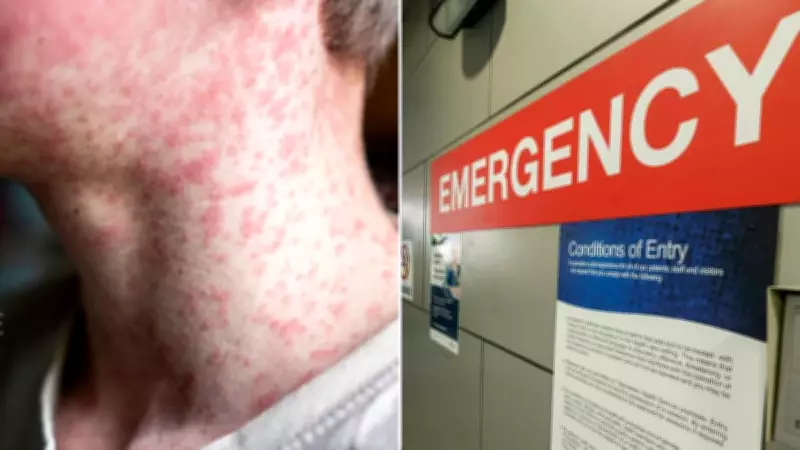
Early symptoms of measles include fever, sore eyes, runny nose, and a cough, followed several days later by a red, blotchy rash that spreads from the head and face down the body. Dr. Moreira noted that people should consider measles even if they did not attend an identified exposure site, especially if a rash appears a few days after early symptoms. The incubation period can extend up to 18 days, meaning individuals exposed could still develop symptoms over the coming weeks.
Community Response and Precautions
This case highlights the ongoing challenge of measles transmission in urban areas, with health officials urging the public to stay informed and take preventive measures. Residents are encouraged to check the NSW Health website regularly for updates on exposure sites and follow medical advice promptly if symptoms arise. The situation underscores the importance of vaccination and public awareness in combating infectious diseases.