Measles Alert Issued for Sydney's Inner West Following Two New Infections
Health authorities in New South Wales have confirmed two additional measles cases, raising significant concerns about local transmission of this highly infectious and potentially dangerous disease. The new infections bring the total number of measles cases in NSW to 16 so far in 2026, marking a concerning trend that health officials are monitoring closely.
Connection to Overseas Traveller and Exposure Locations
The two patients, who are not known to each other, have both been epidemiologically linked to an earlier case involving a returned traveller from South-East Asia, where ongoing measles outbreaks have been reported. One of the newly confirmed cases visited multiple locations across Sydney's Inner West while unknowingly infectious, including Ryde Emergency Department, Ryde Urgent Care Clinic, and Concord Repatriation General Hospital.
NSW Health has published a comprehensive list of exposure locations and timeframes that is regularly updated on their official website. While these locations no longer pose an immediate health threat, anyone who was present at the specified times is strongly advised to monitor for symptoms over the coming weeks.

Health Advice for Vulnerable Groups and General Public
Specific guidance has been issued for vulnerable individuals, including pregnant women, people with weakened immune systems, and infants who attended any of the listed exposure locations within the past six days. These individuals are urged to contact their local Public Health Unit immediately on 1300 066 055 for further assessment and guidance.
Dr. Christine Selvey, Director of Communicable Diseases NSW, emphasized the importance of vigilance. "If symptoms develop and you've been at one of the locations at the time listed on the website, see your doctor or health service, including an emergency department," she stated. "Call ahead to let them know that you may have come into contact with measles so you don't spend time in waiting rooms with other patients."
Symptoms and Transmission Characteristics
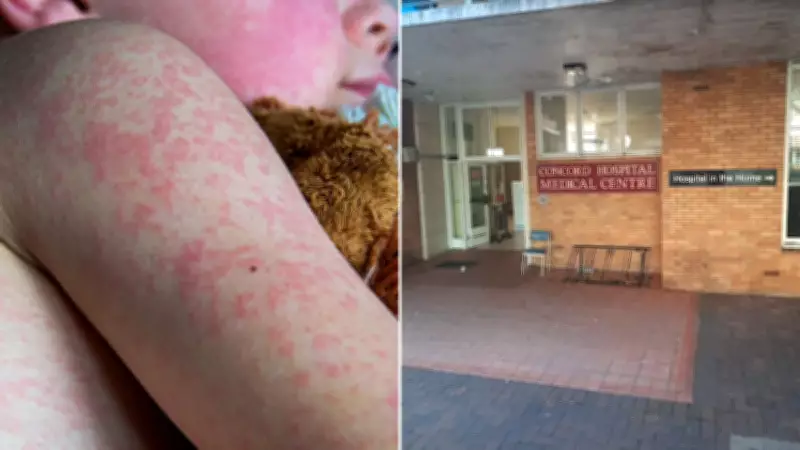
Measles symptoms typically begin with fever, runny nose, sore eyes, and a cough, usually followed three to four days later by a distinctive red, blotchy rash that spreads from the head to the rest of the body. Dr. Selvey noted that "it can take up to 18 days for symptoms to appear after an exposure, so it's important for people who visited these locations to look out for symptoms for this period."
Measles is a highly contagious viral disease that spreads through the air when an infected person coughs or sneezes. The virus can remain infectious in the air and on surfaces for up to two hours, making it particularly transmissible in crowded environments.
Vaccination Recommendations and Prevention Measures
Health authorities are strongly reminding the community about the importance of vaccination. "Anyone born after 1965 needs to ensure they have had two doses of measles vaccine," Dr. Selvey emphasized. "This is especially important before overseas travel as measles outbreaks are occurring in several regions of the world at the moment."
The measles-mumps-rubella (MMR) vaccine is freely available in NSW for anyone born after 1965 who has not already received two doses, as well as for children at 12 months and 18 months of age. The vaccine provides robust protection against measles and is considered one of the most effective public health interventions available.
NSW Health continues to monitor the situation closely and urges all residents and visitors to check the regularly updated exposure location list on their official website. The department also recommends that individuals unsure about their vaccination status consult with their healthcare provider to ensure they are adequately protected against this preventable disease.