Fire and Rescue NSW (FRNSW) firefighters are known for their bravery and quick response, but what does a typical day entail? From the moment the alarm sounds to the after-action review, every second counts. This article takes you behind the scenes of a fire station in Newcastle, revealing the dedication and skill required to keep communities safe.
Morning Briefing and Equipment Checks
The day begins early at the fire station. Crews gather for a morning briefing where they review the previous day's incidents, discuss any new protocols, and assign roles for the upcoming shift. The station officer ensures everyone is updated on weather conditions, potential hazards, and special events that might affect response times.
After the briefing, firefighters conduct thorough equipment checks. Every piece of gear, from breathing apparatus to hoses and ladders, is inspected to ensure it's in perfect working order. This routine is critical; a malfunction could mean the difference between life and death. The crew also checks the fire truck, ensuring all compartments are stocked with necessary tools like extrication equipment, medical supplies, and firefighting foam.

Training and Drills
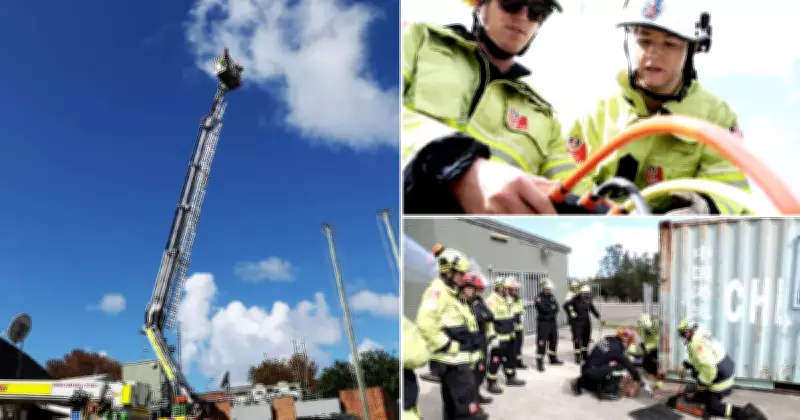
A significant part of a firefighter's day is dedicated to training. FRNSW places a strong emphasis on continuous learning. Today's drill focuses on structure fire attack techniques. Firefighters practice advancing hose lines under simulated smoke conditions, using thermal imaging cameras to locate hotspots, and coordinating ventilation to improve visibility and reduce heat.
Physical fitness is also a priority. Firefighters engage in strength and cardio exercises to maintain the stamina needed for demanding rescues. Some stations have on-site gyms, while others use nearby parks for circuit training. This commitment to fitness ensures they can carry heavy equipment and perform rescues under extreme conditions.
Emergency Calls: The Core of the Job
When the alarm sounds, the crew drops everything. From a kitchen fire to a car crash, each call requires a rapid, coordinated response. The station officer assigns tasks based on the nature of the incident. For a structure fire, the first arriving crew assesses the situation, calls for backup if needed, and begins fire suppression while others search for occupants.
In Newcastle, where bushfires are a seasonal threat, firefighters also prepare for wildland blazes. They use specialized vehicles and techniques to create firebreaks and protect properties. During the recent fire season, FRNSW crews worked tirelessly alongside the Rural Fire Service to contain fires threatening homes.
Medical emergencies are another common call. Firefighters are often first on scene, providing CPR, controlling bleeding, and assisting paramedics. Their training in first aid and trauma care is vital in saving lives before an ambulance arrives.
Community Engagement and Prevention
Beyond emergency response, FRNSW firefighters are actively involved in community safety. They conduct school visits to teach fire safety, install smoke alarms in vulnerable homes, and participate in local events. These proactive efforts aim to prevent fires and educate the public on what to do in an emergency.
Firefighters also perform building inspections and enforce fire safety regulations. They check fire exits, sprinkler systems, and storage of hazardous materials in commercial premises. This preventive work reduces the risk of large-scale fires and ensures compliance with safety codes.
Afternoon Duties and Maintenance
After a busy morning, the afternoon is often spent on station maintenance and administrative tasks. Firefighters clean the station, wash the trucks, and restock supplies. They also update incident reports and participate in debriefing sessions to learn from each call. This reflection helps improve future responses.
Meals are prepared and eaten together, fostering camaraderie. The station is a second home, and the crew shares responsibilities like cooking and cleaning. This bond is essential for teamwork during high-stress situations.

Night Shift and Unpredictability
Night shifts bring their own challenges. Reduced visibility and potential for larger fires due to unattended heating or electrical faults require heightened vigilance. Firefighters remain on standby, ready to respond at a moment's notice. Sleep is often interrupted, but the adrenaline of a call quickly restores focus.
The unpredictability of the job means no two days are alike. One moment, a crew might be rescuing a cat from a tree; the next, they're battling a major industrial blaze. This variety keeps the job exciting but also demands mental resilience.
Conclusion: A Day in the Life
A day with Fire and Rescue NSW is a blend of routine preparation, intense emergency response, and community service. Firefighters are not just first responders; they are educators, inspectors, and neighbors. Their commitment to protecting life and property is unwavering, making them an indispensable part of the Newcastle community.
Next time you see a fire truck speeding by, remember the training, teamwork, and dedication behind that response. It's more than a job; it's a calling.