Government Faces Mounting Criticism Over Denied Cancer Treatment for Toddler
The Albanese Government is confronting escalating backlash after refusing a family's request to fund overseas travel for their seriously ill toddler to receive life-saving proton beam radiation therapy. This decision comes as Australia continues to fall behind many other nations in providing this advanced cancer treatment, sparking widespread outrage and concern.
Layla Davis's Heartbreaking Battle
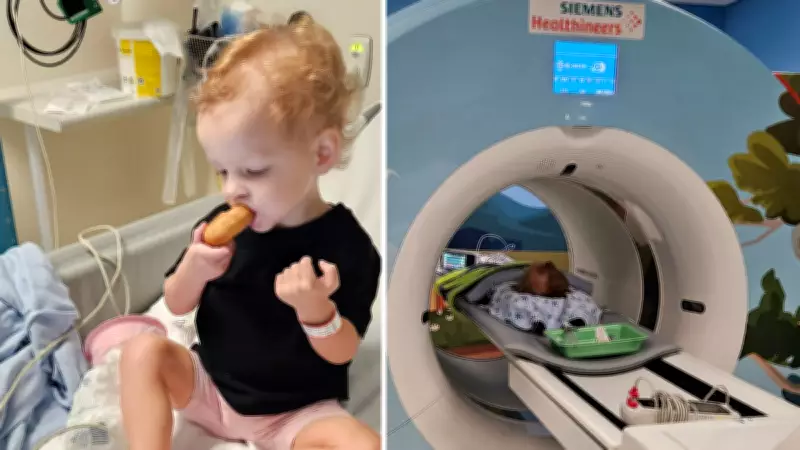
Layla Davis, a two-year-old girl, has been enduring a grueling fight against cancer since late last year. Diagnosed with Alveolar Rhabdomyosarcoma in her left thigh, the cancer has since spread to her pelvis and upper thigh. Her family has supported her through an exhausting regimen of treatments, including 17 rounds of chemotherapy and 18 rounds of radiation, with five more radiation sessions remaining.
Doctors recommended proton beam radiation therapy, a technology that targets tumors with far greater precision than traditional radiation, minimizing damage to healthy tissue. This therapy is widely used overseas for certain childhood cancers, but it remains unavailable in Australia. Layla's family applied for funding through a government program designed to cover overseas treatment when it is not accessible domestically, but their request was denied.

Devastated mother Katherine Irvine expressed her anger and heartbreak over the decision, stating that the government essentially placed their daughter in a box by deeming her ineligible due to a poor prognosis. Despite this, Layla continues to show remarkable courage and resilience in her battle.
Failed Proton Therapy Procurement and Political Response
Australia has invested over $100 million in a planned proton therapy facility in Adelaide, but the project collapsed in 2024 following a dispute with the supplier. No alternative arrangements have been established, leaving families in limbo. This issue has now reached federal parliament, where Shadow Health Minister Anne Ruston has tabled a petition with more than 27,000 signatures, demanding urgent action to deliver proton beam therapy in the country.
Ruston highlighted that families were promised access to this treatment years ago, yet nothing has changed, putting young lives at risk as they are forced to seek care overseas. She warned that the government's inaction could have serious consequences for children requiring this critical therapy.
Families Forced to Seek Treatment Abroad
While some families manage to secure funding for overseas travel, the process is often overwhelming and financially burdensome. For instance, Australian mother Shannon Kelly is currently in Florida with her one-year-old son Cruz, who is undergoing proton radiation treatment for stage four brain cancer. Diagnosed at just four months old, Cruz's family had to travel 26 hours to access the care, relying on crowd funding to cover additional costs.
Kelly expressed devastation over Australia's empty proton therapy building, emphasizing the emotional and logistical challenges of being far from home during such a difficult time. She questioned why progress has stalled, leaving families to suffer and travel across the world for essential treatment.
Government Response and Ongoing Struggles
In response to inquiries, a spokesperson for Prime Minister Anthony Albanese acknowledged the distress faced by families and stated that the Health Minister is working with relevant states to resolve the issue. However, this offers little comfort to those currently navigating childhood cancer without access to proton therapy.
The failure to deliver this treatment in Australia means families must rely on donations, undertake arduous international travel, or miss out entirely. As Layla's mother advocates for change, she hopes that speaking out will pressure the government to prioritize proton therapy for Australian children battling cancer, holding officials accountable for their promises.