Health authorities in North Queensland are sounding the alarm over a sharp and concerning increase in cases of two serious, yet often overlooked, diseases. Experts report a significant surge in both measles, a highly contagious viral illness, and melioidosis, a potentially deadly bacterial infection common in tropical regions.
Measles Makes a Dangerous Comeback
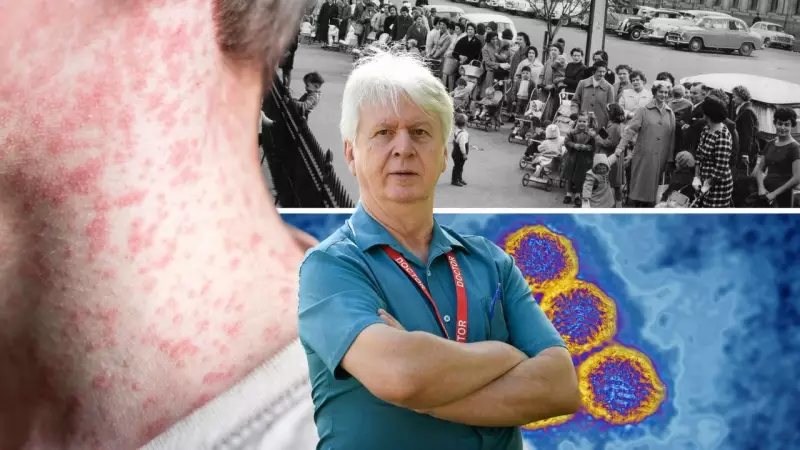
The region has witnessed a troubling spike in measles infections, a disease once considered largely eliminated in Australia due to widespread vaccination. Dr. Julie Mudd, a public health physician with the Townsville Hospital and Health Service, confirmed there have been six cases of measles in Townsville since the start of the year. This number starkly contrasts with the typical pattern, where the region might see only one case every few years.
Dr. Mudd attributes this alarming rise primarily to declining vaccination rates. "We've got gaps in our immunity," she stated, pointing out that many young adults may have missed their second measles vaccine dose as children. The disease spreads with ease through coughing and sneezing, and can lead to severe complications including pneumonia and encephalitis.

Health officials are urging all residents to check their vaccination status. The measles-mumps-rubella (MMR) vaccine is highly effective and is available for free under the National Immunisation Program for eligible individuals.
Melioidosis Cases Rise with Wet Weather
Simultaneously, North Queensland is grappling with a rise in melioidosis, a disease caused by the bacterium *Burkholderia pseudomallei* found in soil and water. The wet season, particularly from November to April, creates ideal conditions for the bacteria to thrive and become exposed. The infection typically occurs when contaminated soil or water comes into contact with broken skin or is inhaled during heavy rain or dust storms.
Dr. Mudd revealed that the Townsville region has already recorded 18 cases of melioidosis this year. The disease poses a serious threat, especially to individuals with underlying health conditions such as diabetes, chronic lung disease, or kidney disease, and those with compromised immune systems. Symptoms can be vague, including fever, cough, and shortness of breath, often leading to a delayed diagnosis.
"Melioidosis can be a severe and life-threatening infection," Dr. Mudd warned. She emphasised that early diagnosis and appropriate antibiotic treatment are critical for survival.
Community Vigilance and Prevention are Key
The dual surge in these forgotten diseases underscores the importance of community awareness and proactive health measures. For measles, the message is clear: vaccination is the only reliable shield. Parents are encouraged to ensure their children's immunisations are up to date, and adults unsure of their status should consult their GP.
For melioidosis, prevention focuses on minimising exposure during the high-risk wet season. Health experts advise the following precautions for people in affected areas:
- Wear waterproof boots and gloves when gardening or working in soil.
- Cover cuts and abrasions with waterproof dressings.
- Avoid direct contact with soil and muddy water, especially after heavy rain.
- Protect your face with a mask during high winds or when using high-pressure hoses on soil.
The return of these illnesses serves as a potent reminder that public health vigilance cannot waver. As Dr. Mudd's warnings highlight, environmental factors and gaps in immunisation coverage can quickly allow old threats to re-emerge, demanding a coordinated response from both health services and the community.