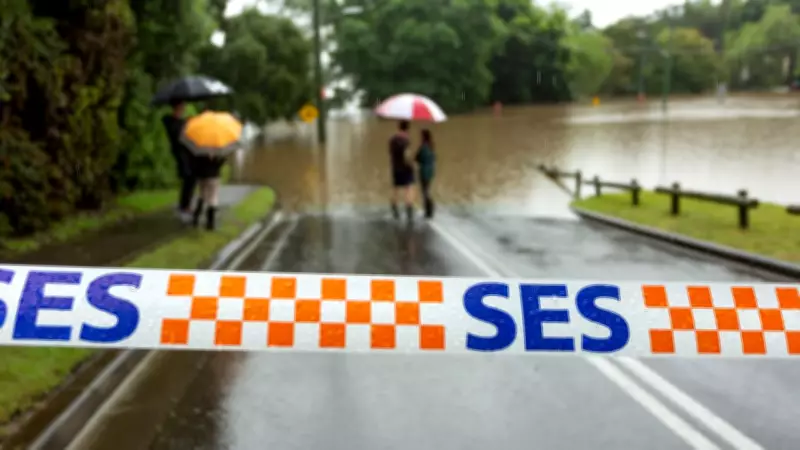
Major Flooding in Northern Queensland Poses Serious Infection Risk to Residents
Severe flooding has struck Northern Queensland, creating a significant health crisis as residents face a heightened risk of serious infections. The widespread inundation has led to contaminated water sources and unsanitary conditions, prompting urgent warnings from health authorities.
Health Authorities Issue Critical Warnings
Local health officials have emphasized the dangers posed by waterborne diseases such as leptospirosis and gastroenteritis, which can spread rapidly in flood-affected areas. The combination of stagnant water, damaged infrastructure, and limited access to clean supplies has exacerbated the situation, putting vulnerable populations at particular risk.
Residents are advised to avoid contact with floodwaters and to boil drinking water to prevent illness. Emergency services are working to provide medical assistance and distribute essential resources, but the scale of the flooding has strained response efforts.

Environmental and Community Impact
The flooding has not only disrupted daily life but also caused extensive property damage and environmental degradation. Contaminated runoff from agricultural and industrial sites has further polluted water systems, increasing the potential for toxic exposures. Community leaders are calling for coordinated action to address both immediate health concerns and long-term recovery needs.
- Increased cases of skin infections and respiratory issues reported.
- Power outages affecting medical facilities and communication networks.
- Road closures hindering access to healthcare services and evacuation routes.
As the floodwaters begin to recede, the focus shifts to cleanup and prevention of post-flood health hazards. Public health campaigns are being launched to educate residents on hygiene practices and symptom recognition, aiming to mitigate the outbreak of infectious diseases in the aftermath of this natural disaster.