E-Bike Riders Facing More Severe Injuries in Crashes, Wollongong Surgeon Reports
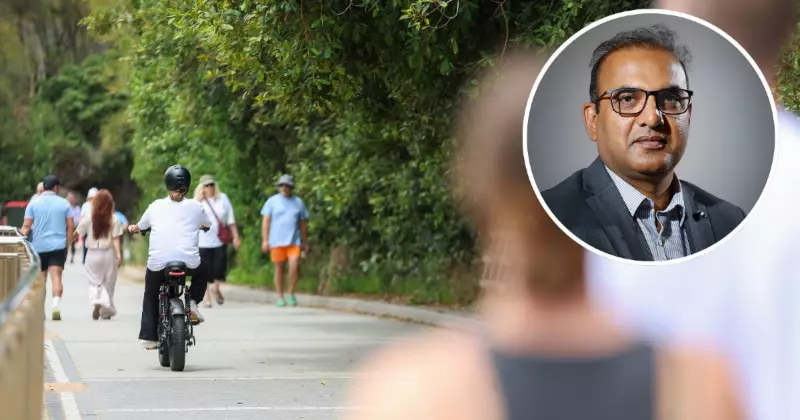
Electric bicycle riders are experiencing significantly more severe injuries that often require surgical intervention when they crash, according to an experienced orthopaedic surgeon based in Wollongong. Dr Sheraz Anjum, a surgeon with the Joint Vision Orthopaedic Group and head of orthopaedics at Wollongong and Shellharbour hospitals, has highlighted this concerning trend as e-bikes continue to surge in popularity across the region.
Comparing Injury Severity: E-Bikes Versus Traditional Bicycles
Dr Anjum explains that accidents involving regular bicycles typically result in what he describes as "low energy traumas", with occasional fractures that are mostly treated through manipulation and plaster casting. In stark contrast, e-bike crashes frequently lead to more complex and serious injuries that necessitate surgical procedures. "We have a lot of patients where we fixed the collarbone, we have patients where we fixed the wrist bone, we have fixed quite a few ankle fractures as well, during the last, say, six to 12 months," Dr Anjum reported.
The surgeon noted that riders travelling at higher speeds on e-bikes suffer more head and facial injuries, which can result in lifelong scarring, along with other upper body trauma including clavicle and arm fractures. He likened these injuries to those seen in mountain bike crashes, but with a critical difference: while mountain bikers often crash on steep surfaces, e-bike riders are having these accidents on flat terrain.

Broader Impact and Safety Concerns
The consequences extend beyond individual riders. Pedestrians also suffer injuries when struck by e-bikes, typically lacerations and fractures to lower limbs. Dr Anjum sees three to four patients monthly with e-bike-related injuries, with incidents becoming more common during holiday periods. The more severe injuries associated with e-bikes create a cascade of effects:
- Longer recovery times for patients
- Potential inability to work during recovery
- Higher medical care costs
- Increased burden on the health system
"And then, obviously there could be some kind of risk of the surgery ... if the surgery doesn't go well, you can have infection, you can have nerve problems, you can have stiffness, you need a lot more physiotherapy," Dr Anjum cautioned.
Calls for Enhanced Regulation and Safety Measures
Dr Anjum advocates for increased regulation to improve e-bike safety, including rules for hire companies to ensure helmets and bikes are in good condition. He also suggests better training and education for riders, along with age and height restrictions for children. Currently in New South Wales, there is no age limit on children riding e-bikes, although rideshare operators typically impose their own restrictions.
Milad Haghani, Associate Professor and principal fellow in urban risk and resilience at The University of Melbourne, has called for several measures to address risks, particularly for children:
- Introduction of age limits
- Controls on importation and sale of conversion kits that remove speed limiters
- Public awareness campaigns
The Illawarra Bicycle Users Group also supports more regulation, including registration for certain e-bikes. "I think all of us who use the shared paths regularly are concerned at some of the speeds that people get up to ... But what we would like to see is a conversation about this new form of transport, which has a lot of benefits in terms of environmental emissions," said president Edward Birt.
Recent Developments and Future Directions
NSW opposition transport spokeswoman Natalie Ward has called for mandatory number plates for certain e-bike riders following recent crashes in Sydney involving young e-bike riders and cars. Earlier this month, a 13-year-old e-bike rider was hospitalised after colliding with a car in Unanderra.
The NSW government plans to cap the legal maximum power limit for e-bikes to 250 watts, down from the current 500 watts. E-bikes must also have a motor that cuts out at 25km/h. Dr Anjum believes infrastructure improvements would make a significant difference, such as creating separate paths for e-bikes to keep them apart from pedestrians and traffic.

While e-bikes remain legal for use, personal e-scooters continue to be illegal in public spaces across NSW, with only shared e-scooter company trials permitted in various locations including Wollongong.