Albanese Effigy Hung on Far North Traffic Light Ignites Free Speech Debate
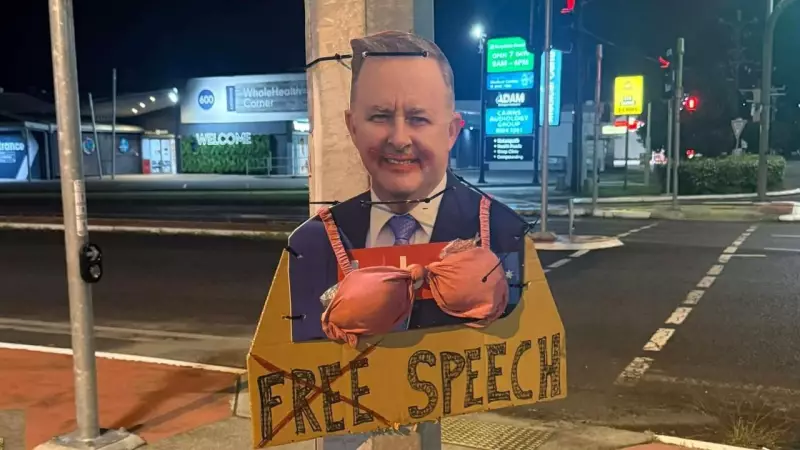
A controversial effigy of Prime Minister Anthony Albanese has been discovered hanging from a traffic light in Far North Queensland, sparking a heated national debate over the boundaries of free speech and political expression in Australia. The incident, which occurred in a public area, has drawn widespread attention and mixed reactions from the community and political commentators alike.
Details of the Controversial Display
The effigy, reportedly depicting the Prime Minister, was found suspended from a traffic light structure in the Far North region. Local authorities were alerted to the display, which has since been removed, but not before images circulated on social media and news outlets. This act of political protest has raised questions about the appropriateness of such demonstrations in public spaces.
Witnesses described the effigy as a makeshift figure, though specific details about its construction or any accompanying messages have not been fully disclosed. The location, a busy traffic intersection, ensured high visibility, amplifying the impact of the protest and fueling discussions on whether this crosses a line into disrespect or remains a legitimate form of political commentary.

Reactions and Implications for Free Speech
The hanging of the Albanese effigy has elicited strong reactions from various quarters. Supporters of free speech argue that such acts are protected under Australian law, emphasizing the importance of allowing diverse political opinions, even if they are provocative or critical of government figures. They contend that in a democratic society, citizens should have the right to express dissent in creative and non-violent ways.
However, critics have condemned the display as offensive and potentially inflammatory, suggesting it could incite hostility or undermine public decorum. Some community members have expressed concern that such actions might set a precedent for more extreme forms of protest, while others worry about the impact on local tourism and community harmony in Far North Queensland.
Legal experts have weighed in, noting that while free speech is a fundamental right in Australia, it is not absolute and can be limited by laws against hate speech, defamation, or public nuisance. The incident has prompted calls for a broader conversation about where to draw the line between acceptable political expression and actions that could be deemed harmful or disruptive.
Broader Context and Political Climate
This event occurs against a backdrop of heightened political tension in Australia, with ongoing debates over government policies, economic challenges, and social issues. Prime Minister Anthony Albanese, as a prominent figure, has been the subject of various forms of protest and criticism, but the use of an effigy in this manner is relatively rare and has intensified the discourse.
In Far North Queensland, known for its diverse political views and strong community ties, the incident has highlighted regional perspectives on national politics. Some locals see it as a reflection of broader dissatisfaction with federal leadership, while others view it as an isolated act that does not represent the majority opinion.
The removal of the effigy by authorities underscores the practical challenges in managing such displays, balancing public safety with the right to protest. As the story continues to unfold, it serves as a reminder of the complex interplay between free speech, political activism, and community standards in contemporary Australia.