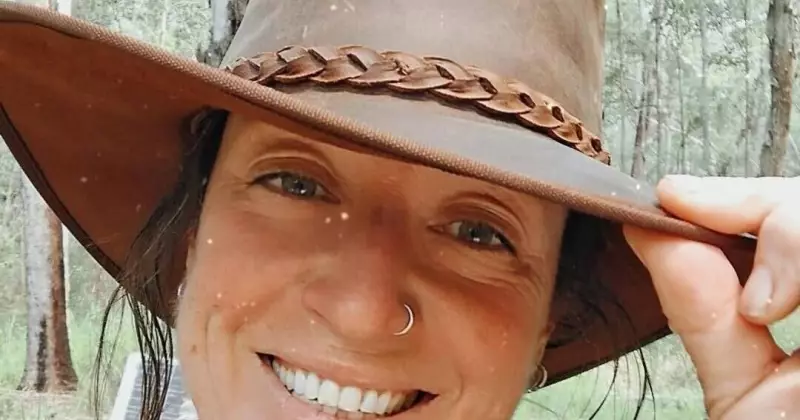
What began as a small, stubborn split on her lip in August 2024 turned into a frightening cancer diagnosis for Australian journalist Lowen Taylor, after her concerns were repeatedly dismissed by medical professionals.
A Sore That Wouldn't Heal
Lowen first noticed the painful split on the left side of her lip. It stung, bled, and defied all attempts to heal. Following standard advice, she consulted a doctor, who attributed it to simple dryness. She diligently applied balms, avoided sun exposure, and increased her hydration, but the lesion persisted unchanged.
By November, the situation worsened. Everyday actions like smiling, eating, and talking became painful, continuously re-opening the sore. Despite returning to a different GP and even seeking a pharmacist's opinion, Lowen was brushed off, being told she was young and fit and had little to worry about. Trusting her own instinct that something was wrong, she insisted on a biopsy from another doctor.

The Shocking Diagnosis and Surgery
The initial suspicion was actinic cheilitis, often called 'Farmer's Lip,' a common condition from sun damage typically seen in outdoor workers. However, the biopsy results delivered a far more serious verdict: squamous cell carcinoma (SCC), a form of skin cancer, on her lip.
The diagnosis led to urgent surgery—a vermilionectomy with a mucosal flap. This confronting and painful procedure involves removing the entire surface of the lip and reconstructing it. Lowen reflects that this drastic intervention might have been avoided if her early concerns had been taken seriously.
Why Lip Cancers Are High-Risk
Lowen's experience underscores a critical medical fact often downplayed by the colloquial name 'Farmer's Lip.' SCC on the lip is not harmless. The lip is considered a high-risk area because the cancer can behave more aggressively than on limbs. Its location on major lymphatic pathways means cancer can spread to lymph nodes and further into the body rapidly.
More than 5,500 Australians are affected by SCC of the lip each year. A small, unhealing crack can escalate into a significant health threat in a short time.
A Vital Message on Advocacy and Early Detection
Lowen Taylor's key takeaway is a powerful message for all Australians: your lips are a gateway to internal health, not just a facial feature. She urges anyone with a skin or lip lesion that does not heal properly to stand firm.
Do not accept dismissal. Ask questions, push for answers, and demand a biopsy if you are concerned. Advocating for early detection is not paranoia; it is a crucial act of survival. Her story is a compelling reminder to book a skin check and to always listen to and act on the signals from your own body.