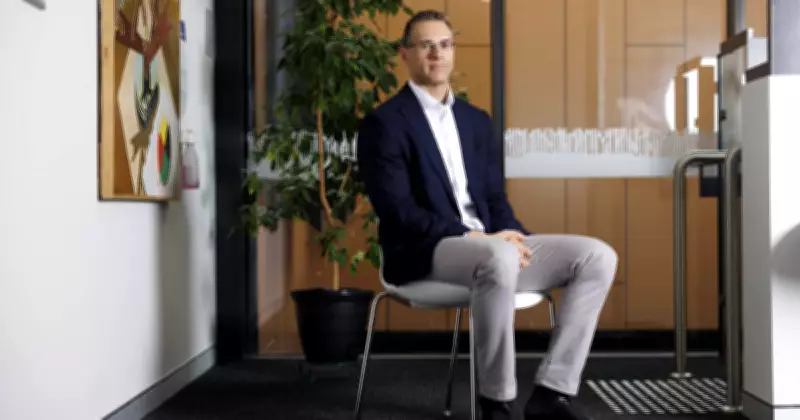
Nathan D'Cunha was just 35 years old when he received a life-altering diagnosis: dementia. His story is a stark reminder of the growing dementia crisis in Australia, where more than 400,000 people are currently living with the condition. By 2058, that number is expected to exceed 800,000, placing immense strain on the healthcare system and families.
A Young Man's Battle
Nathan, a former fitness instructor and personal trainer from Canberra, first noticed symptoms in his early 30s. He struggled with memory loss, confusion, and difficulty performing everyday tasks. After numerous tests and specialist appointments, he was diagnosed with early-onset Alzheimer's disease, a form of dementia that affects people under 65.
“I was shocked. I thought dementia only affected older people,” Nathan said. “But here I was, 35, and being told I had a disease that would slowly rob me of my memories and abilities.”

The Reality of Early-Onset Dementia
Early-onset dementia accounts for about 5% of all dementia cases in Australia. However, it often goes undiagnosed or misdiagnosed because symptoms are mistaken for stress, depression, or other conditions. Nathan's experience highlights the need for greater awareness and improved diagnostic tools.
“Doctors initially thought I had anxiety or burnout,” he recalled. “It took years to get the right diagnosis, and by then, the disease had progressed.”
Australia's Dementia Crisis
Dementia is the second leading cause of death in Australia, and the number of people affected is rising rapidly due to an aging population. The cost of dementia care is estimated at $15 billion annually, a figure expected to triple by 2058.
“We are facing a tsunami of dementia cases,” said Professor Michael Woodward, a leading geriatrician. “The healthcare system is already under pressure, and we are not adequately prepared for the future.”
Support Systems Under Strain
Families like Nathan's are bearing the brunt of the crisis. His wife, Sarah, has become his primary caregiver, juggling work, parenting, and Nathan's increasing needs. “It's exhausting,” she said. “There's not enough support for carers. We need more respite care, financial assistance, and education about the disease.”
Nathan's story is not unique. Across Australia, thousands of families are struggling to care for loved ones with dementia, often without adequate support. The government has pledged increased funding for dementia research and services, but advocates say more needs to be done.
Hope for the Future
Despite his diagnosis, Nathan remains hopeful. He participates in clinical trials for new treatments and advocates for better dementia care. “I want to make a difference for others going through this,” he said. “We need a national plan to tackle dementia, and we need it now.”
Nathan's courage in sharing his story is helping to shine a light on Australia's dementia crisis and the urgent need for action.