A controversial and invasive cosmetic procedure is gaining a disturbing foothold in Australia, driven by social media and a growing fixation on appearance. Limb lengthening surgery, a drastic operation to increase a person's height, is being marketed to men despite carrying a high risk of severe, lifelong complications.
What is Cosmetic Limb Lengthening Surgery?
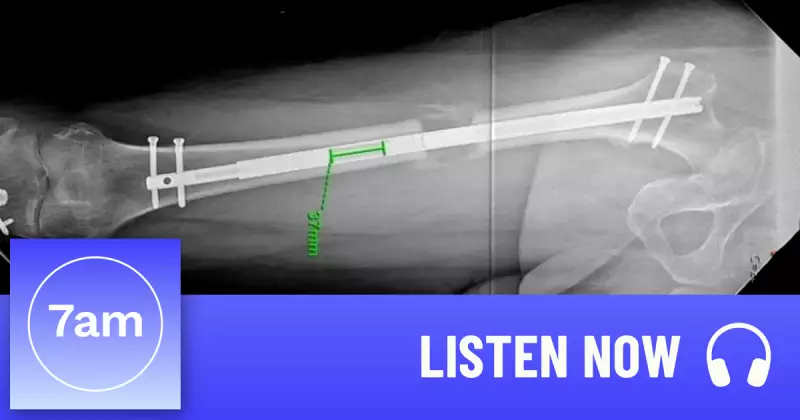
The procedure, which can cost between $100,000 and $250,000, is not performed by the public health system for cosmetic reasons. It involves surgically breaking the femur (thigh bone) or tibia (shin bone) and inserting an internal rod or an external frame. Over a period of many months, this device is gradually adjusted, pulling the bone apart by about a millimetre per day so new bone can form in the gap.
This painful and protracted process can add up to eight centimetres in height. However, the goal of a taller stature comes at an extraordinary physical cost. The surgery originated as a treatment for significant limb length discrepancies caused by disease or trauma, not for aesthetic enhancement.

Severe Risks and Lifelong Consequences
Orthopaedic surgeons and medical bodies are sounding the alarm. The list of potential complications is long and serious. Patients risk chronic pain, permanent nerve damage, muscle weakness, and blood clots. The unnatural stretching can lead to joint problems, including early-onset arthritis in the hips, knees, and ankles.
There is also a significant risk of the new bone failing to form properly, a condition called non-union, which could leave a patient with a permanent disability. The external fixation devices, which involve pins protruding through the skin, carry a high risk of severe infection. The recovery is gruelling, often requiring a year or more of intensive physiotherapy and rehabilitation before a patient can walk normally again.
Professor Ian Harris, a renowned orthopaedic surgeon and researcher, has been vocal in his criticism. He emphasises that the surgery is being driven by commercial interests preying on insecurities, rather than medical need. "It's a solution to a problem that doesn't exist," he states, pointing out that short stature is not a disease.
The Social Media Influence and Ethical Concerns
The rise in interest is heavily linked to online platforms like TikTok and Instagram, where clinics and individuals showcase seemingly successful outcomes without adequately detailing the painful journey and potential for permanent harm. This creates a distorted and dangerously appealing narrative for vulnerable individuals.
The procedure raises profound ethical questions for the medical community. Performing such high-risk, elective surgery on otherwise healthy individuals challenges the core medical principle of "first, do no harm." Experts argue that the psychological distress driving the demand for such surgery would be better addressed through counselling and mental health support, not through a radical physical alteration with irreversible consequences.
While the surgery is legal in Australia, it exists in a grey area of cosmetic regulation. There are calls for stricter guidelines and more robust informed consent processes to ensure patients fully comprehend the scale of the risks they are undertaking for a purely cosmetic goal.
The message from the medical establishment is clear: the pursuit of a few extra centimetres in height is not worth gambling with your long-term mobility and quality of life. As this trend continues to grow, so does the urgency for public education on the stark realities behind the social media filter.