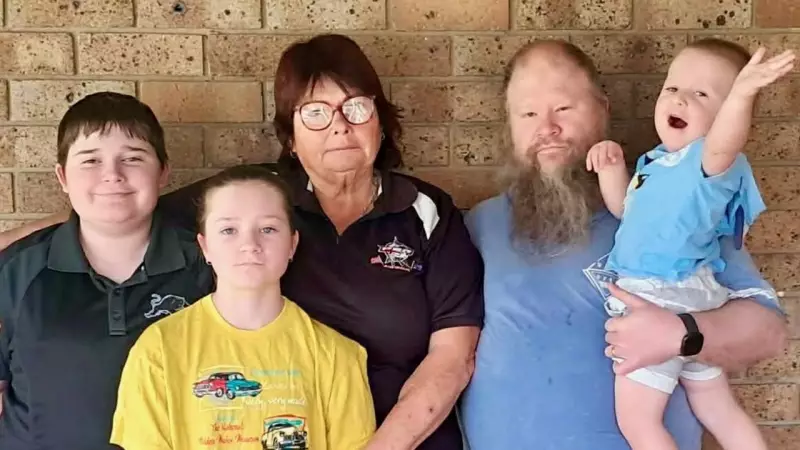
A Townsville family is locked in a desperate race against time, pleading for access to a lifesaving cancer drug that remains frustratingly out of reach due to Pharmaceutical Benefits Scheme (PBS) bureaucracy. For 22-year-old Emily Wood, every day of delay is a day lost in her battle against an aggressive form of cancer.
A Crucial Treatment Held Just Out of Reach
Emily Wood was diagnosed with alveolar rhabdomyosarcoma, a rare and aggressive cancer, in August 2022. After enduring multiple rounds of chemotherapy and radiation, her family discovered a potentially life-extending treatment called pembrolizumab (Keytruda). This immunotherapy drug has shown promising results for patients with specific genetic markers, like Emily, who has a NTRK gene fusion.
While the drug is available in Australia, its staggering cost of around $15,000 per month puts it far beyond the family's means without PBS subsidy. The drug is approved for use but is not yet listed on the PBS for Emily's specific rare cancer type, creating a heartbreaking financial barrier. Her mother, Karen Wood, has launched a public campaign, stating the bureaucratic delay is effectively denying her daughter a critical chance at life.

The Bureaucratic Maze and a Family's Anguish
The process for a drug to be listed on the PBS is complex, involving assessments by the Pharmaceutical Benefits Advisory Committee (PBAC). The committee evaluates the drug's clinical effectiveness and cost-effectiveness before making a recommendation to the government. For rare cancers, where patient numbers are small and drug trials limited, this process can be particularly slow and challenging.
"We are watching our daughter suffer while a drug that could help her exists," Karen Wood told the Townsville Bulletin. "The system is failing us. It's a nightmare of paperwork, waiting, and excuses while time, the one thing we don't have, keeps ticking away." The family's situation underscores a wider issue within Australia's health system, where patients with rare conditions often fall through the cracks of a process designed for more common ailments.
Broader Implications for Australian Patients
Emily's case is not isolated. Advocacy groups consistently highlight the 'postcode lottery' and 'condition lottery' that determines access to modern medicines in Australia. Drugs listed for one type of cancer may not be listed for another, even if clinical evidence supports their use. This creates inequity and forces families into impossible positions: remortgage homes, launch crowd-funding campaigns, or face the prospect of going without.
The Department of Health and Aged Care has acknowledged the application for pembrolizumab for certain cancer types but cannot comment on specific cases or timelines for PBAC consideration. A spokesperson reiterated that the PBAC makes independent, evidence-based decisions. However, for families like the Woods, this opaque timeline is a source of immense stress and desperation.
A Plea for Urgency and Systemic Change
The Wood family's public plea is a call for urgent intervention and highlights the need for more flexible and accelerated pathways for rare disease treatments within the PBS. They are urging health authorities and politicians to exercise compassion and discretion to grant immediate, individual access while the broader listing is finalised.
"This isn't just about Emily," Karen Wood emphasised. "It's about fixing a broken system so no other family has to fight this battle while watching their loved one deteriorate. We need urgency, we need empathy, and we need action now." Their fight continues as they balance hope with the grim reality of bureaucratic inertia, a scenario playing out in too many Australian homes.