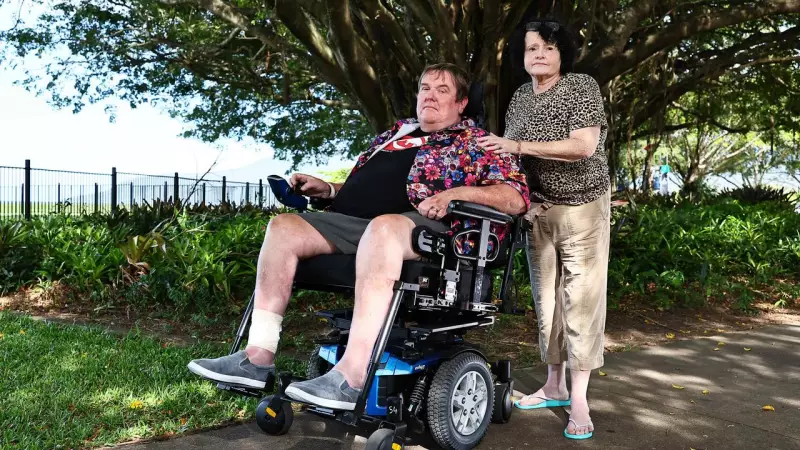
A Cairns man with a severe spinal injury has spent weeks trapped in a hospital bed, not because he is too unwell to leave, but because of bureaucratic delays within the National Disability Insurance Scheme (NDIS).
Stranded in a Hospital Bed, Awaiting Approval
Peter Williams, a 54-year-old from Manoora, has been an inpatient at Cairns Hospital since late April. His medical team cleared him for discharge over two weeks ago. However, he remains confined to a hospital ward, unable to return to his specially modified home.
The sole barrier is the wait for approval and funding from the NDIS for a new ceiling hoist system. His existing hoist broke down just before his last hospital admission, rendering his accessible home unusable for his needs.

"I'm taking up a bed that somebody else could use," Mr Williams stated bluntly, highlighting the strain on the public health system. "I could be at home if I had the equipment."
A Cycle of Bureaucratic Hurdles
Mr Williams, who sustained a C5 spinal injury in a 1991 diving accident, is a long-term NDIS participant. His situation exposes a critical flaw in the scheme's reactive nature. The funding for the vital hoist was only requested after the old one failed, triggering a lengthy approval process while he was hospitalised.
His occupational therapist submitted the necessary reports and quotes for the new equipment to the NDIS well over a month ago. Despite follow-ups, a definitive approval and timeline for installation remain elusive. The NDIS has stated the request is "being assessed as a priority," but for Mr Williams, each day of waiting is a day of lost independence.
The cost of keeping him in a hospital bed far exceeds the price of the hoist and home modifications he requires. This scenario underscores a frequent criticism of the NDIS: short-term savings on equipment create massive long-term costs elsewhere in government budgets, not to mention the human toll.
Broader System Failures and Calls for Change
Mr Williams's plight is not an isolated incident. It points to systemic issues within NDIS support planning and crisis response. Advocates argue the scheme must be more proactive, ensuring essential equipment is maintained and replaced before it fails, preventing such crises.
"The system is broken if it leaves someone stuck in hospital because of a piece of paper," Mr Williams said. His experience raises urgent questions about the efficiency of NDIS processes and the real-world impact of delays on participants' lives and health outcomes.
He is now calling for immediate action to resolve his case and for broader reform to prevent others from facing similar ordeals. "It's not just about me," he emphasised. "This needs to be fixed for everyone."