WA Cancer Epidemiologist Bruce Armstrong Receives Highest Australia Day Honour
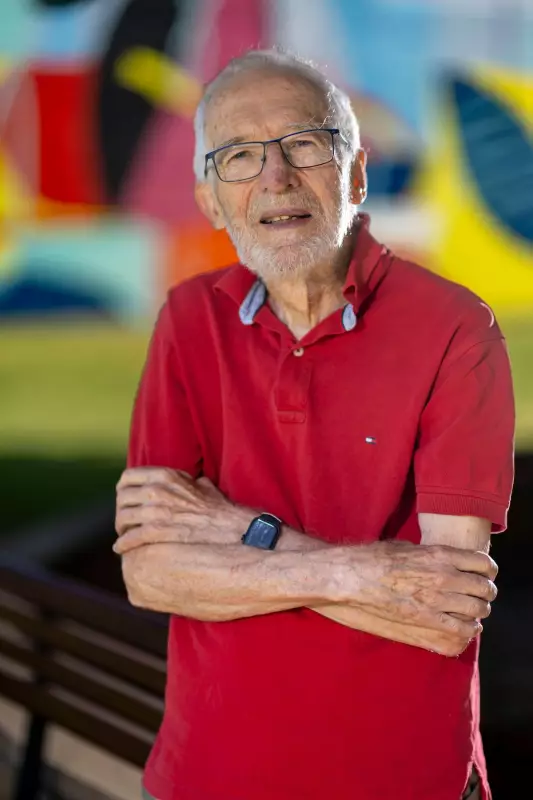
Emeritus Professor Bruce Armstrong, a distinguished cancer epidemiologist from Western Australia, has been appointed a Companion of the Order of Australia, the nation's highest honour, in recognition of his lifelong dedication to medical research and public health. He is one of only two West Australians to receive this prestigious award this year.
A Lifetime of Groundbreaking Cancer Research
Professor Armstrong's career spans decades of work that has significantly improved outcomes for numerous cancers, including melanoma, breast, bowel, prostate, and cervical cancers. His contributions have been instrumental in developing and implementing preventative screening programs across Australia, saving countless lives through early detection and intervention.
The official citation honours his "eminent service to medical research, to environmental and genetic cancer epidemiology, to screening service development, to academia, and to public health administration."

From Physician to Global Research Leader
Armstrong's journey into epidemiology began in the 1970s when he pursued a PhD at Oxford University under the mentorship of Sir Richard Doll, a pioneer in linking smoking to lung cancer. This experience ignited a passion for research that has driven his career ever since.
Upon returning to Australia, he focused initially on melanoma and skin cancer research, helping to fill critical gaps in scientific knowledge. Over the years, his work has expanded to encompass a broad spectrum of cancers, contributing valuable insights that have advanced both clinical practice and public health policy.
Key Achievements and International Impact
Professor Armstrong's illustrious career includes serving as a senior visiting scientist for the International Agency for Research on Cancer, director of the Australian Institute of Health and Welfare, and chairman of numerous cancer advisory committees. He currently holds adjunct professor positions at the University of Western Australia and is an emeritus professor at the University of Sydney's School of Public Health.
One of his proudest accomplishments was contributing to handbooks on cancer prevention, particularly for breast cancer screening. "I was around when the earliest of those handbooks were going on and they were designed as guidance to developing countries about what they can do in the way of cancer prevention," he recalled.
He noted the significance of these resources in promoting mammography worldwide, despite initial skepticism. "The last one of those meetings that I went to was on mammography, and there were still quite a few people who didn't believe that mammography saved lives. I was very pleased that handbook came out with the recommendation that women should have mammograms, and that's now something that can be used worldwide."
Celebrating Australian Contributions to Cancer Care
In accepting the honour, Armstrong was quick to highlight the collective efforts of the Australian research community. "Australia has made a very large contribution, both into the prevention as well as treatment of melanoma," he said. He also pointed to the success of national screening programs for breast and cervical cancers, and the groundbreaking development of the HPV vaccine, which prevents cervical cancer.
"Australia has done an enormous amount, both in the screening for cancer as well as the prevention of cancer," he emphasised, reflecting on the nation's global leadership in this field.
A Personal Reflection on a Fulfilling Career
For Armstrong, the joy of his work lies in witnessing tangible improvements in cancer outcomes. "I think it's absolutely wonderful to see and to be involved in seeing cancer outcomes improve. It's one of my great pleasures of life," he shared, underscoring the personal satisfaction that comes from decades of dedicated service.
This Australia Day honour not only celebrates Professor Armstrong's individual achievements but also acknowledges the profound impact of his research on public health in Australia and beyond. His legacy continues to inspire future generations of scientists and healthcare professionals in the ongoing fight against cancer.