Australian Scientists Make Breakthrough in Reverse Ageing Research
In a landmark development for longevity science, Australian researchers have provided compelling evidence that reverse ageing is not just theoretical but practically achievable. A comprehensive study has demonstrated that participants can effectively rewind their biological clock and decelerate their pace of ageing through targeted lifestyle modifications.
Personal Transformation Through Scientific Intervention
Father-of-three Iain MacInnes from Melbourne embodies the study's remarkable findings. An enthusiastic human-powered vehicle racer, MacInnes has embraced a full and fast-paced life, crediting his participation in the research for his dramatic physical transformation.
"I'm now off racing way, way faster and fitter and stronger than I was in 2018," MacInnes revealed, highlighting the tangible benefits he has experienced.

His motivation stemmed from witnessing the health decline of his parents, which served as a powerful catalyst for change. "That was a bit sad. Dad was affected by Alzheimer's and mum went with dementia. It was basically a 30-year train wreck," MacInnes shared, explaining how this personal history drove his commitment to health optimisation.
Quantifiable Results Defy Expectations
Despite confronting challenging genetic predispositions, MacInnes joined the scientific study and discovered practical methods for ageing backwards. His biological age assessment showed a remarkable improvement, dropping from 57 to 41 years - a transformation that surprised even the researchers conducting the study.
Lead researcher Dr Denise Furness expressed astonishment at the rapid progress participants achieved. "Better than what I could have imagined, as little as three months, people can actually make a really big shift," Dr Furness stated, emphasising the study's real-time results exceeded initial expectations.
The Five Pillars of Healthy Ageing
According to the Australian research team, small but consistent lifestyle changes can create substantial differences in biological ageing. The study identified five fundamental elements crucial for healthy ageing:
- Nutritional Foundation: Consuming whole foods and maintaining proper hydration
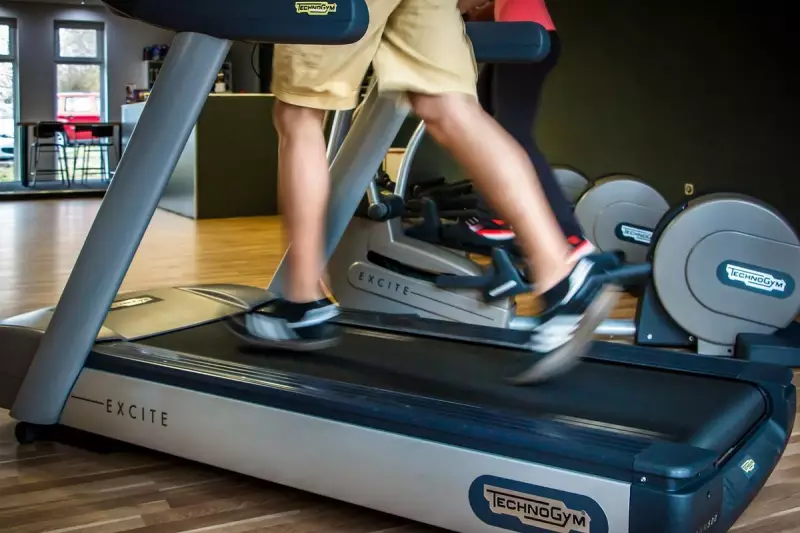
- Physical Activity: Daily movement including strength training three times weekly
- Restorative Sleep: Quality sleep for at least seven hours each night
- Mental Resilience: Mindset work with effective stress management techniques
- Cellular Support: Nourishing mitochondria, our cellular energy producers
Dr Furness explained the profound implications of these findings: "You can actually undo this damage. You can actually start to turn things around, repair and heal, and literally slow down the rate of ageing."
The Critical Role of Sleep in Ageing Reversal
Among all the identified factors, researchers highlighted one element as particularly crucial for initiating the reverse ageing process. "One thing right now would be even thinking about sleep. That's when the repair and the healing happens," Dr Furness emphasised, pointing to sleep's fundamental role in cellular regeneration and damage repair.
This Australian-led research represents a significant advancement in our understanding of human longevity, providing practical, evidence-based strategies for individuals seeking to optimise their healthspan and potentially reverse biological ageing markers.