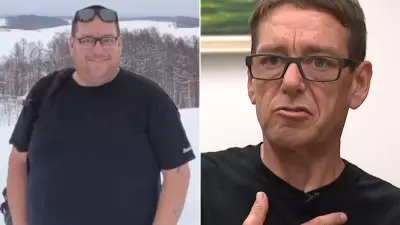
A former elite cyclist turned sleep expert is on the verge of developing the first targeted drug to treat sleep apnoea, a condition affecting over one million Australians. Professor Danny Eckert, a leading researcher in human sleep and respiratory physiology for more than 25 years, has dedicated his career to understanding and treating sleep disorders, particularly obstructive sleep apnoea (OSA).
Understanding Sleep Apnoea
Sleep apnoea causes people to repeatedly stop breathing during sleep, leading to poor rest and serious health, safety, and economic consequences. Traditionally, it was viewed as a purely anatomical issue caused by blocked airways. However, Professor Eckert's work has shifted this understanding, revealing that sleep apnoea is a multi-factorial condition with different underlying causes.
“I’ve learned that when you’re pushing your body as hard as you can in exercise, the body is physiologically at its most interesting and vulnerable – and the same is kind of true when you’re asleep,” he says. His research shows that 70 per cent of people with sleep apnoea have non-anatomical factors contributing to their condition, enabling targeted therapies with success rates exceeding 80 per cent.

Breakthrough in Targeted Drug Treatment
A milestone study with colleagues in Boston explored a targeted drug treatment focusing on the muscles around the throat that relax during sleep. “We did a series of studies in the lab and we’re now on the verge of the first targeted drug to treat sleep apnoea,” Professor Eckert explains. “We’ve done all the basic studies showing that it works, and when we trialled drugs with those properties, we were able to activate the muscles three- to four-fold higher than usual compared to a placebo during sleep. It resulted in about a 50 to 65 per cent reduction in sleep apnoea severity.”
Beyond the Laboratory
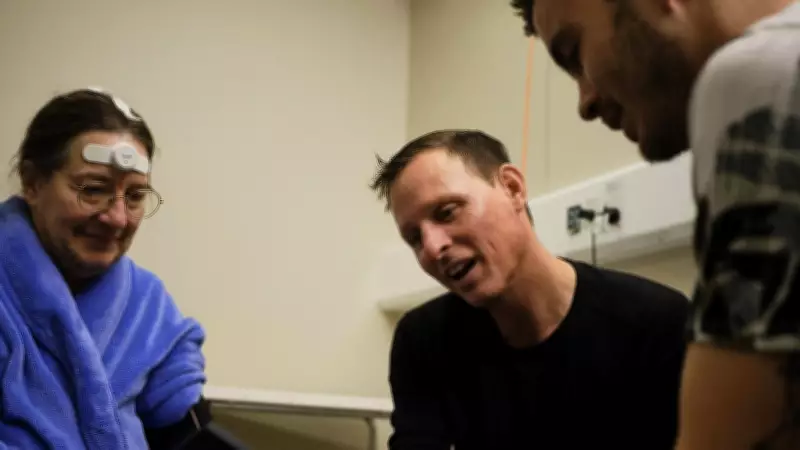
Professor Eckert’s mission extends beyond research. With hundreds of millions worldwide living with undiagnosed or poorly treated sleep disorders, he helped develop the multi-award-winning television series Australia’s Sleep Revolution with Dr Michael Mosley. The series featured a world-first clinical trial using his targeted approach, treating the late Dr Mosley and 30 people with chronic sleep disorders in two months. The trial resolved sleep disorders in more than 80 per cent of participants, demonstrating a unique collaboration between scientists, clinicians, filmmakers, industry, community groups, and policymakers.
“The idea was that we got some of the worst sleepers in the country,” he says. “People who usually wouldn’t get into our very structured clinical trials… We basically took on anyone who had a problem and were struggling to get it solved. We brought them in and followed them throughout their journey.”
The Future of Sleep Apnoea Treatment
With sleep apnoea affecting nearly a billion people globally, many undiagnosed, Professor Eckert is focused on translating research into scalable treatments beyond specialist clinics. As targeted therapies move from laboratory trials to broader clinical use, he believes the next decade could mark a significant shift from a one-size-fits-all mechanical approach, like CPAP machines, to precise, personalised medicine.