Sabrina Hahn's Weekly Gardening Column Answers West Australian Plant Queries
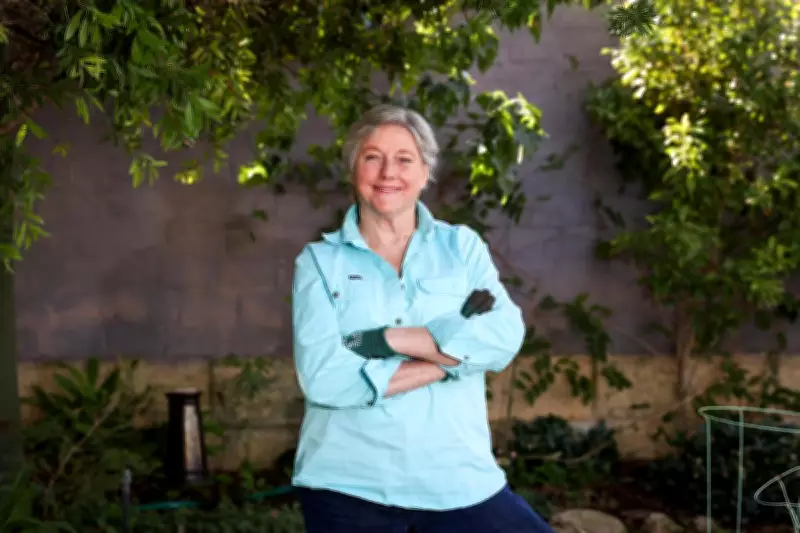
Every Saturday, Sabrina Hahn, the esteemed gardening columnist for The West Australian, dedicates her expertise to assisting local gardeners in nurturing their plants. In her latest Green With Envy column, she addresses a range of issues from pest infestations to invasive species and even plays matchmaker for a lonely cycad.
Readers are encouraged to submit their gardening dilemmas to Ask Sabrina at GPO Box D162, Perth, 6001, or via email to home@wanews.com.au. Please include your full name and suburb for consideration. Due to the high volume of inquiries, not all questions can be answered.
Buddleia Battles Mite Infestation and Heat Stress
Jenny Clarke from Ascot sought help for her struggling buddleia plant, which was in full sun with brown, sunburnt leaves removed, yet showing many small developing leaves. Sabrina diagnosed the issue as a combination of mites, heat stress, and dehydration. She recommended pruning the plant back by 50 percent, applying a wetting agent and sheep manure, and hosing the remaining foliage daily to eradicate mites. With this care, the buddleia should recover within two weeks.

Invasive Robinia Tree Causes Neighbourhood Woes
Jenny Christo of Ballajura reported problems with her coprosma dying and complaints from a neighbour about her Robinia Pseudoacacia tree sending invasive roots and suckers into adjacent properties. Sabrina explained that this robinia variety can spread suckers throughout the neighbourhood, reverting to its black locust origins. She advised removing the tree, noting that suckers may persist for up to five years but can be controlled with blackberry and tree killer. As a replacement, she suggested planting a crepe myrtle, available in various flower colors and deciduous.
Identifying a Lost Succulent and Cycad Pollination
Janet Medlen from Williams asked for help identifying a long-lost plant. Sabrina identified it as echeveria Perle von Numberg, a succulent sold under multiple names, commonly available at nurseries. In another query, Carmel Hughes sought a male cycad for pollination. Sabrina detailed that male cycads must be nearby, as insects like thrips and beetles transfer pollen. She recommended contacting the Palm and Cycad Society of WA at pacsowa.com.au to find a male cone of the same species and learn effective pollen transfer techniques.
Edible Purslane Weed: A Nutritious Surprise
Sam Tan from Canning Vale inquired about a weed in his backyard, suspected to be edible purslane, but hesitated to try it due to safety concerns. Sabrina confirmed it as purslane (Portulaca oleracea), a native Australian plant entirely edible and consumed by Indigenous Australians for centuries. Early settlers used its juicy leaves in salads or as a spinach substitute, and its seeds in damper. Rich in omega-3 fatty acids, vitamins A and C, and antioxidants, purslane can become weedy if not harvested regularly.
For more gardening tips and updates, stay tuned to Sabrina Hahn's weekly advice column in The West Australian.