Expert Strategies to Keep Your Garden Thriving in Summer Heat
Caring for gardens during Australia's intense summer months presents significant challenges, with prolonged periods of high temperatures often resulting in parched soil, leaf scorch, and widespread wilting across various plant species. The combination of hotter days and warmer nights creates demanding conditions that require strategic intervention to maintain garden health and vitality.
Mastering Watering Techniques for Maximum Hydration
Paul English of Nylex provides crucial guidance on effective watering practices during heatwaves. "When temperatures consistently reach between 30 and 35 degrees Celsius, that's when you need to intensify your watering routine," Paul emphasizes. "Ideally, water twice daily—once in the early morning and again in the late afternoon—to provide consistent moisture when plants need it most."
Contrary to popular gardening myths, Paul clarifies that watering during direct sunlight is acceptable when plants show signs of thirst. "If your plants are visibly struggling, water them immediately," he advises. "Simply direct your spray toward the soil rather than the leaves, as foliage can become more vulnerable to scorching damage during extreme heat exposure."

Maintaining consistent soil moisture proves particularly crucial during extended hot, dry periods when plants actively uptake more water. Container plants demand extra attention since pots contain limited soil volume and dry out considerably faster, especially when positioned in full sun locations.
Selecting the Right Equipment for Efficient Watering
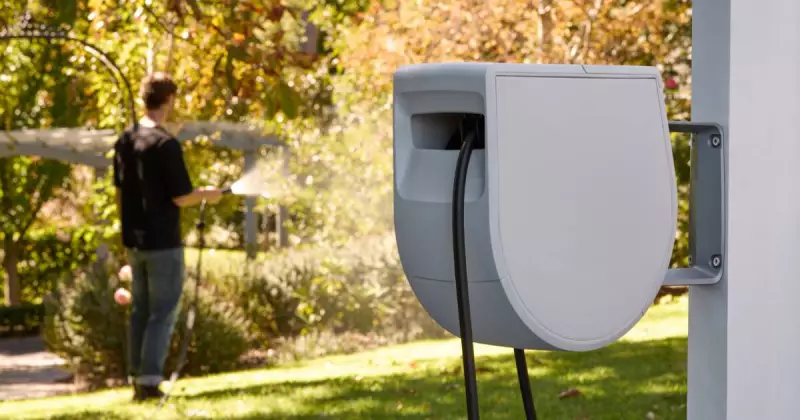
Investing in quality watering equipment significantly enhances both effectiveness and enjoyment of garden maintenance tasks. "A retractable garden hose system offers multiple advantages that justify the initial investment," Paul explains. "These systems remain tidy and kink-free during use while providing protection against environmental elements that cause traditional hoses to crack and deteriorate over time."
While drip irrigation systems excel at delivering controlled moisture, Paul recommends supplementing with hand watering during heatwaves to ensure deep soil penetration. "Water should reach the root zone rather than merely wetting the surface," he notes. "Deep watering encourages stronger root development and better overall plant resilience."
Choosing appropriate hose attachments further optimizes watering efficiency. "Select a nozzle with an ergonomic trigger for comfortable extended use," Paul suggests. "A gentle rain-style function provides ideal soaking without displacing mulch or creating soil pitting that can occur with stronger jet settings."
Implementing Effective Mulching Strategies
Moisture retention represents a fundamental component of summer garden care, with mulch serving as a protective barrier against rapid evaporation. "Mulch significantly slows water loss while shielding soil structure from heavy rainfall impact," Paul clarifies. Proper selection proves essential for different garden types.
For ornamental gardens, organic mulch varieties that gradually decompose provide dual benefits of moisture retention and soil nutrition. Native gardens typically benefit from a single layer of leaf or bark mulch that mimics natural forest floor conditions while conserving precious moisture during dry periods.
Recognizing and Responding to Heat Stress Indicators
Vigilant monitoring helps identify early signs of plant distress before irreversible damage occurs. Common heat stress symptoms include:
- Wilting or drooping leaves and stems
- Dry, brittle lawn areas
- Foliage edges curling inward
- Discoloration or scorching patterns
Some plant species conceal stress symptoms until they reach advanced dehydration stages, making regular soil checks essential. "Test moisture levels just below the surface," Paul recommends. "If soil feels dry beyond the root zone, immediate watering is necessary. Healthy soil should maintain cool, slightly damp conditions around root systems rather than developing hard, dusty textures."

A well-hydrated, properly nourished garden ultimately rewards careful attention with improved bud development, vigorous growth, and enhanced resilience against Australia's challenging summer conditions. Implementing these expert strategies helps transform garden maintenance from a constant struggle into a rewarding seasonal practice.