The Evolution of Internet Personality Eras: From Girlboss to Villain
Every few years, the digital landscape undergoes a significant cultural shift, redefining how people present themselves online and interact with brands. First came the girlboss phase, a period dominated by colour-coded planners, career affirmations, and the belief that sheer productivity could solve nearly any problem. This was followed by the soft girl era, which flooded social media feeds with images of linen dresses, morning journaling rituals, and the subtle pressure to consume something green before 9am.
Enter the Villain Era: A Shift Towards Sardonic Honesty
Now, the mood has pivoted dramatically. Welcome to the villain era. Despite its ominous name, this trend has little to do with actual villainy. Most individuals declaring themselves in their villain era are not plotting revenge or making theatrical exits. Instead, they engage in far more relatable behaviours: cancelling unwanted plans, ignoring texts from undeserving contacts, or indulging in small luxuries without waiting for external validation.
This era is less about evil masterminds and more about mildly exhausted adults. After years of relentless positivity and meticulously curated self-improvement content, the cultural tone has grown more sardonic. People are increasingly disinterested in pretending life is perfect, instead embracing the acknowledgment that modern living, particularly modern dating, can be inherently chaotic.

Lifestyle Brands Reflect the Change with Humour and Authenticity
Unsurprisingly, lifestyle brands are beginning to mirror this cultural shift. Across beauty and homewares sectors, there is a noticeable departure from overly aspirational language towards humour and raw honesty. Products are no longer solely promising serenity and perfection. Increasingly, they acknowledge the messy, humorous reality that people actually experience daily.
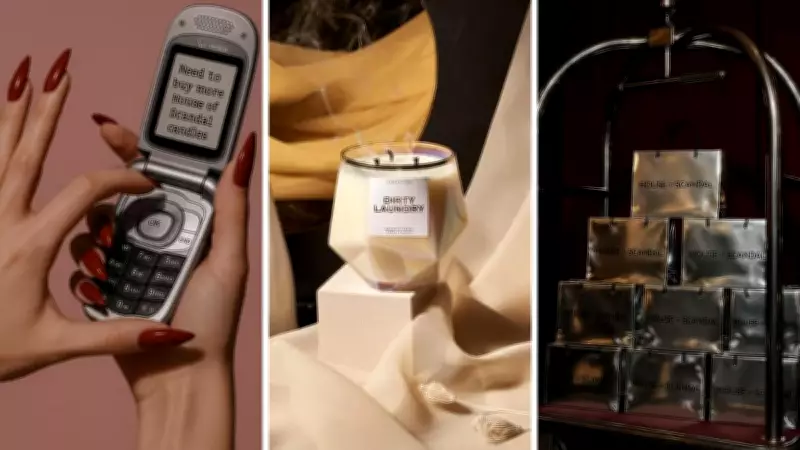
One Australian brand capitalising on this energy is House of Scandal. Rather than marketing candles as purely tranquil objects for spa-like evenings, the brand crafts its products around instantly recognisable situations. Its cult favourite candle, Fuckboy Repellent, priced at $80, perfectly captures this tone. Upon launch, it sold over 300 units in its first week, and around Valentine's Day, sales regularly reach thousands. This success demonstrates that a candle with a sense of humour can resonate far more powerfully than something blandly labelled "Serenity Garden."
The Appeal of Recognition and Shared Experience
The appeal extends beyond the provocative name; it lies in the recognition it fosters. Almost everyone has encountered dating stories that make the joke land instantly. The candle transforms from a simple home fragrance into an inside joke shared across group chats, dinner tables, and social media posts. House of Scandal has expanded this cheeky storytelling into other products as well.
Candles like Trophy Wife and Aphrodite tap into the same playful self-awareness, turning familiar cultural moments into items people can literally light at home. This reflects a broader consumer trend where many prefer brands that acknowledge reality over those chasing perfection. Situationships exist, dating can be ridiculous, and the group chat analysis after a bad date has become a social ritual.
Future Expansions and Consumer Preferences
House of Scandal is now preparing to expand beyond candles into fragrance and skincare, bringing its irreverent storytelling into new categories. If its early success is any indicator, this move could resonate strongly. Consumers are increasingly drawn to brands that feel less polished, more self-aware, and considerably more fun. The villain era teaches us that life is slightly chaotic, modern dating can be absurd, and sometimes the most satisfying purchase is the one that simply admits it.