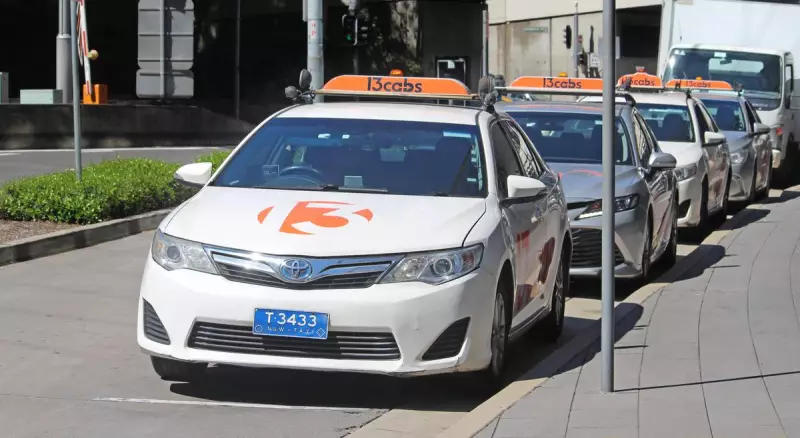
Australia's traditional taxi industry is facing an existential crisis and must undergo a radical transformation if it hopes to survive the dominance of ride-sharing services like Uber. That's the stark warning from financial commentator and columnist Nick Bruining, who argues that cabs have been too slow to adapt to a new competitive landscape.
The Core Complaints Against Taxis
Bruining points to a litany of persistent issues that continue to drive passengers away from taxis and towards app-based alternatives. The fundamental problem, he suggests, is a widespread failure to meet basic customer expectations.
Passengers are frequently frustrated by dirty vehicles, unreliable drivers, and opaque pricing. Unlike the upfront fares offered by Uber and similar services, traditional taxi meters can lead to unpleasant surprises at the end of a trip, especially during peak times or when taking less direct routes. The inability to know the exact cost before getting in the car is a significant competitive disadvantage.

Furthermore, the process of hailing or booking a taxi remains cumbersome compared to the seamless experience provided by a smartphone app. Bruining highlights that the convenience of tracking your driver's arrival in real-time, making cashless payments, and rating the service has reset consumer expectations entirely.
What Taxis Must Do to Compete
For the taxi industry to regain relevance, Bruining insists on a multi-pronged strategy focused on service, technology, and value. Simply complaining about the regulatory playing field is no longer a viable strategy.
First and foremost, the sector must address the quality of its core product. This means ensuring vehicles are clean, well-maintained, and driven by courteous professionals. Consistency is key; passengers should know what level of service to expect every time they book.
Secondly, embracing modern technology is non-negotiable. This involves developing or adopting user-friendly apps that match the functionality of ride-sharing platforms. Features must include:
- Upfront, fixed pricing for journeys.
- Real-time driver tracking and accurate ETAs.
- Integrated, cashless payment systems.
- A transparent driver and passenger rating mechanism.
Finally, the industry needs to reconsider its value proposition. With ride-sharing often perceived as cheaper and more reliable, taxis must find ways to compete on price or justify a premium through demonstrably superior service, such as guaranteed accessibility features or highly trained drivers.
The Stakes for Consumers and the Market
The decline of the taxi industry isn't just a business story; it has real implications for Australian consumers. A healthy, competitive market is essential to keep prices fair and service standards high. If taxis were to disappear entirely, it could reduce choice and potentially give dominant ride-sharing companies too much pricing power in the long run.
Bruining's analysis serves as a clear call to action. The protection once offered by government-issued licences and regulated markets has evaporated. The future of the taxi industry now depends entirely on its ability to listen to customers and innovate. The time for incremental change has passed. To survive in the age of Uber, taxis must fundamentally up their game across every touchpoint of the passenger experience.
The question remains: does the industry have the will and the agility to make these necessary changes, or will it continue to lose ground until it becomes a relic of the past? For the sake of competition and consumer choice, many will be hoping for a swift and effective reinvention.