Australians Urged to Adopt Simple Driving Habits to Reduce Fuel Consumption
As petrol prices continue to strain household budgets, Australians are being advised to adopt straightforward driving habits that could significantly lower their fuel consumption. With the cost of filling up still biting hard, motorists are seeking smarter ways to make every tank go further, and some are even completely rethinking their transportation methods.
Expert Advice on Car Maintenance and Efficiency
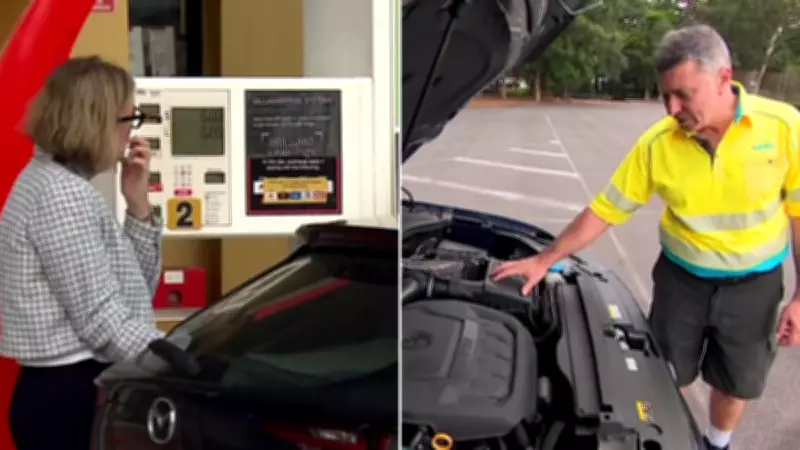
Experts emphasize that keeping your car in good health is the best starting point for improving fuel efficiency. Tony Tamine from the NRMA highlighted key maintenance aspects: "If you have a clean air filter, healthy spark plugs, and healthy injectors, these go a long way in saving fuel." Additionally, using cruise control on freeways and utilising start-stop mode when stuck in traffic are recommended practices. Tamine explained, "As the engine switches off at the lights, you're not using fuel. It's as simple as that."
Practical Tips for Everyday Driving
When it comes to air conditioning, drivers are advised to keep windows down around town if it's not too hot, rather than running the aircon constantly. Reducing vehicle weight also makes a significant difference; studies show that a fully loaded car uses 24 percent more fuel. Motorists should consider removing added features like roof racks, as Tamine noted, "A lot of people don't realise that something as small as roof racks add to drag."

Exploring Fuel Options and Compatibility
There's also the option of going cheaper at the pump with E10, a fuel blended with ethanol, though it's not designed for all cars. Peter Khoury from the NRMA urged, "If your car can take E10, please consider using it. People aren't buying as much of it as we potentially could at the pump because there is a misconception that it will hurt your engine. It will not." Most petrol-powered cars built after 2000 are compatible with E10 fuel, including nearly all modern family cars, Toyota Hybrids, and brands like BMW, Kia, and Mazda. It is generally suitable for vehicles designed to run on 91 unleaded fuel. To check if your car can use E10 fuel, visit the relevant government website and enter your vehicle type, model, and year.