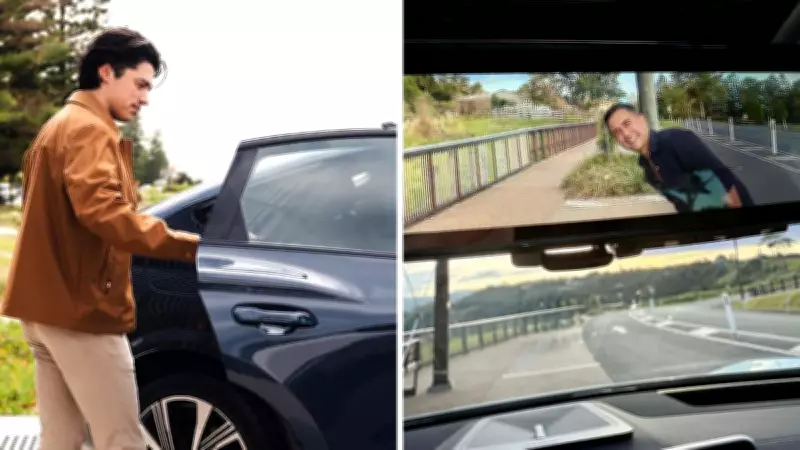
Australian Drivers Embrace Car Subscriptions as EV Transition Accelerates
Fuel prices continue their relentless climb across Australia, electric vehicles are appearing on roads in growing numbers, yet a significant portion of the population remains hesitant about making the full switch. This hesitation is not due to lack of interest, but rather a cautious approach to embracing new technology that is manifesting in fascinating consumer behavior patterns.
The Subscription Model: Netflix for Cars Gains Traction
Instead of purchasing electric vehicles outright, more Australians are opting to trial them through subscription services that function similarly to streaming platforms. Companies like Karmo are experiencing dramatic increases in demand as consumers seek flexible alternatives to traditional car ownership.
"Our enquiries have doubled in the last three weeks for electric vehicles," reveals Nick Boucher, CEO and Co-Founder of Karmo. "With current market conditions, Australians who were previously undecided now feel compelled to at least consider the electric pathway."

The subscription model operates on a straightforward principle: rather than owning a vehicle, consumers pay a weekly fee that typically includes insurance, registration, and servicing. This approach eliminates substantial upfront costs and long-term commitments, making electric vehicles more accessible to cautious buyers.
Australia's Automotive Preferences Remain Diverse
Despite growing electric vehicle interest, recent sales data confirms Australia's enduring affection for traditional vehicle types. The nation's top-selling vehicles continue to be dominated by utes and SUVs, with the Ford Ranger and Toyota HiLux leading the market alongside numerous family-oriented sport utility vehicles.
This preference reflects practical considerations that extend beyond mere operating costs. Australian drivers consistently prioritize space, versatility, towing capacity, family-friendly interiors, and long-distance capability—attributes that many consumers believe electric vehicles have yet to fully deliver.
"Australia represents one of the world's most competitive new car markets," observes James Wong from Car Expert. "We're seeing more brands and models than ever before, with additional options continually entering the marketplace."
Hybrid Vehicles Emerge as Popular Transition Option
For drivers not yet prepared to adopt fully electric vehicles, hybrid models are becoming the preferred intermediate step. These vehicles combine conventional internal combustion engines with electric motors, offering reduced fuel consumption without requiring significant behavioral changes from drivers.
"Most hybrid vehicles demand minimal adjustment from users," explains Wong. "You refuel them exactly like traditional petrol or diesel cars while benefiting from improved efficiency, particularly in urban stop-start traffic conditions."
Plug-in hybrid variants take this concept further, providing limited electric-only range for daily commuting before engaging petrol engines for extended journeys. This combination addresses range anxiety while delivering tangible fuel savings.
Electric Vehicle Adoption Shows Strong Growth
Despite lingering consumer hesitation, electric vehicle adoption in Australia demonstrates remarkable momentum. March sales data revealed an extraordinary 88.9 percent increase in electric vehicle deliveries, reaching 15,839 units and achieving a record 14.6 percent market share.
This growth indicates that Australian consumers are gradually embracing electric mobility through various pathways—subscription services, hybrid vehicles, and plug-in hybrids—rather than immediately committing to full electric ownership.
Charging Infrastructure Remains Critical Challenge
The primary obstacle to widespread electric vehicle adoption extends beyond the vehicles themselves to encompass supporting infrastructure. Technology expert Val Quinn identifies charging availability as a fundamental concern for potential buyers.

"We're making progress, but public charging infrastructure hasn't yet achieved the widespread availability or reliability that consumers expect," Quinn notes. "For households without convenient home charging options, this limitation represents a significant barrier to adoption."
Advanced Features and Practical Benefits Attract Interest
While sophisticated technologies like Tesla's Full Self-Driving capability and Polestar's innovative camera systems generate considerable excitement, the most compelling electric vehicle advantages often involve practical everyday benefits.
Many drivers appreciate reduced operating costs amid escalating petrol prices, along with smoother, quieter driving experiences and decreased maintenance requirements resulting from fewer mechanical components.
Testing Before Committing Becomes Standard Practice
Electric vehicle technology continues advancing rapidly, with improvements in range, features, and model availability. Simultaneously, charging infrastructure and daily convenience factors haven't yet reached levels that meet many consumers' expectations.
This discrepancy creates uncertainty that makes long-term purchase commitments feel riskier than previously. Consequently, flexible testing options are gaining popularity as consumers seek to understand how electric vehicles integrate with their lifestyles before making substantial financial decisions.
Karmo is expanding its business model in response to this trend, introducing novated subscriptions and lease-style options through partnerships with companies like Smart. These alternatives provide middle-ground solutions between full ownership and complete avoidance of electric mobility.
Short-term flexibility proves particularly appealing to Australian consumers. Rather than immediately purchasing electric vehicles, many are choosing to experiment with them for several months—establishing charging routines, assessing practicality, and determining compatibility with their daily lives before committing financially.
This try-before-you-buy approach represents the driving force behind growing electric vehicle interest, allowing cautious consumers to experience the technology firsthand while mitigating perceived risks associated with adoption.