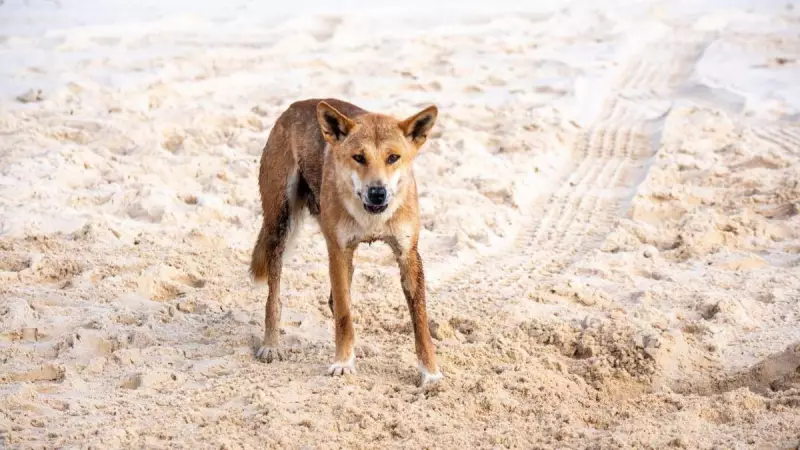
A young Canadian tourist has been found dead at a popular Queensland tourist destination, with her body discovered near a group of dingoes.
Early Morning Tragedy on K'gari
The body of a 19-year-old woman was located on Monday morning at a beach north of the famous Maheno Wreck on K'gari, also known as Fraser Island. It is believed the woman went for a swim around 5am. She was found unresponsive approximately one hour later and was declared dead at the scene by attending police officers.
A crime scene was immediately established by Queensland Police, who stated investigations are ongoing into the circumstances surrounding her death. The woman's identity has not been formally released, but she has been reported as a Canadian national.

Dingoes Present at the Scene
According to reports, the woman's body was found surrounded by dingoes. While the exact cause of death remains unclear and is under investigation, the presence of the native animals has raised immediate concerns.
This incident follows a series of troubling encounters with dingoes on the island in recent years. In October 2025, a six-year-old boy suffered head injuries and bite wounds after being bitten on a beach while with his grandfather. He required airlifting to hospital for treatment.
Earlier that same year in May, a nine-year-old boy was attacked by a dingo at Yidney Rocks. The animal involved in that incident was later euthanised by authorities.
Protected Species in a Tourist Hotspot
Dingoes on K'gari are a protected native species under Queensland's Nature Conservation Act 1992. Their presence is a significant drawcard for the World Heritage-listed island, but it also requires visitors to exercise extreme caution.
Authorities have repeatedly issued safety warnings to tourists about maintaining a safe distance from the wild animals, not feeding them, and closely supervising children at all times. The Department of Environment, Tourism, Science and Innovation was contacted for comment regarding this latest incident.
The tragic discovery has sent shockwaves through the local community and the tourism industry, highlighting the ongoing challenge of balancing visitor safety with the conservation of a protected native predator in a unique wilderness setting.