Surfer Unearths Ancient Shark Tooth at Jan Juc Beach
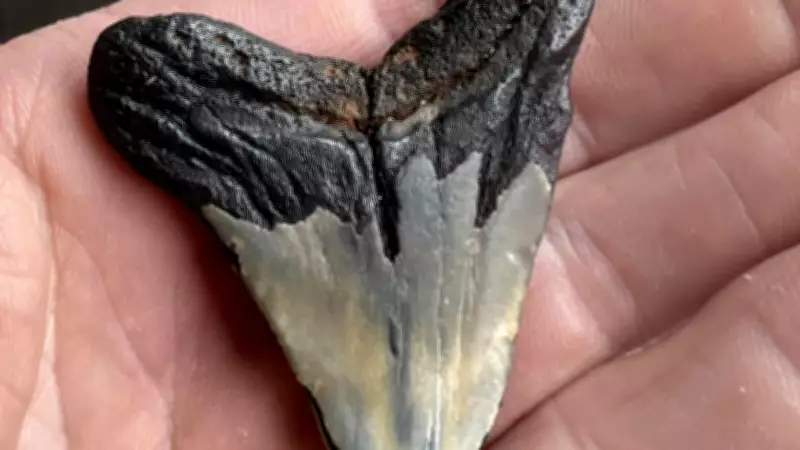
A surfer exploring the shores of Jan Juc Beach in Victoria has made a remarkable discovery, finding a fossilised shark tooth believed to be approximately 25 million years old. This rare find has captured the attention of paleontologists and beachgoers alike, highlighting the rich geological history of the region.
Details of the Discovery
The surfer, whose identity has not been disclosed, stumbled upon the tooth while walking along the beach after a surfing session. The fossil, which measures several centimetres in length, is exceptionally well-preserved, with visible serrations and a distinct shape characteristic of ancient shark species. Experts suggest it likely belonged to a megalodon or a similar large predatory shark from the Oligocene epoch.
Jan Juc Beach, located near Torquay in Victoria, is known for its fossil-rich cliffs and sedimentary rock formations. This area has previously yielded other significant paleontological finds, making it a hotspot for fossil hunters and researchers. The discovery underscores the importance of preserving such sites for scientific study and public education.

Scientific Significance and Community Reaction
Paleontologists have expressed enthusiasm about the find, noting that shark teeth fossils from this period are relatively uncommon in the region. The tooth could provide valuable insights into the marine ecosystems of prehistoric Australia, including information about shark diversity, migration patterns, and environmental conditions millions of years ago.
Local residents and surfing enthusiasts have also reacted with excitement, sharing the news on social media and discussing the area's natural history. Some have even planned their own fossil-hunting trips, inspired by the surfer's lucky find. Authorities remind the public that while fossil collecting is allowed in some areas, it should be done responsibly to avoid damaging sensitive sites.
This discovery serves as a reminder of the hidden treasures that can be found in Australia's coastal landscapes, blending outdoor recreation with scientific curiosity. As research continues, the shark tooth may be studied further to unlock more secrets about our planet's ancient past.