Locals Voice Concern as City of Wanneroo Backs Neerabup Resource Recovery Precinct
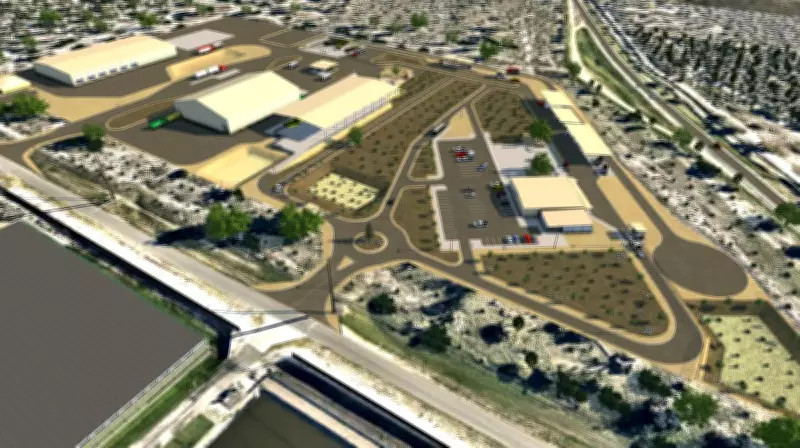
In a contentious decision that has sparked significant public outcry, the City of Wanneroo has officially endorsed the proposed Neerabup resource recovery precinct, a move that has left many local residents deeply concerned about potential environmental and health impacts. The precinct, which aims to centralise waste management and recycling operations in the northern suburbs of Perth, is seen by council officials as a crucial step towards enhancing regional sustainability and economic growth. However, community members argue that the project could lead to increased pollution, traffic congestion, and risks to public safety, raising urgent questions about the balance between development and environmental protection.
Community Opposition and Environmental Fears
Local residents have voiced strong opposition to the Neerabup resource recovery precinct, organising protests and submitting formal complaints to highlight their worries. Key concerns include the potential for air and water contamination from waste processing activities, which could affect nearby residential areas and natural habitats. Many fear that the precinct might exacerbate existing environmental issues in the region, such as soil degradation and biodiversity loss, particularly in sensitive ecosystems surrounding Neerabup. Additionally, there are apprehensions about increased heavy vehicle traffic, which could pose safety hazards and contribute to noise pollution in the community.
Community groups have emphasised that while they support sustainable waste management practices, the current proposal lacks sufficient safeguards and transparency. They are calling for more detailed environmental impact assessments and greater public consultation to ensure that any development aligns with long-term ecological health and resident well-being. This grassroots opposition reflects a broader trend of communities advocating for stronger environmental protections in urban planning decisions across Western Australia.

Council Support and Economic Rationale
Despite the backlash, the City of Wanneroo has firmly backed the Neerabup resource recovery precinct, citing its potential to boost local employment and improve waste management efficiency. Council representatives argue that the precinct will create jobs in construction, operations, and related sectors, providing an economic lift to the region. They also highlight the project's alignment with state and national waste reduction targets, positioning it as a forward-thinking initiative to handle growing waste volumes in a more sustainable manner.
The council has pointed to planned mitigation measures, such as advanced pollution control technologies and traffic management strategies, to address community concerns. However, critics contend that these assurances are insufficient without independent verification and enforceable regulations. The debate underscores the ongoing tension between economic development and environmental stewardship, with the City of Wanneroo prioritising infrastructure growth while residents demand more rigorous oversight and community involvement in the decision-making process.
Broader Implications for Waste Management Policy
The controversy over the Neerabup resource recovery precinct highlights larger issues in waste management and urban development policy in Western Australia. As cities like Perth expand, there is increasing pressure to find sustainable solutions for waste disposal and recycling, but these efforts often face resistance from communities worried about local impacts. This case may set a precedent for how similar projects are handled in the future, influencing public engagement practices and regulatory frameworks.

Experts suggest that successful resource recovery initiatives require a balanced approach, incorporating robust environmental safeguards, transparent communication, and genuine community collaboration. The outcome of the Neerabup project could shape regional policies on waste management and land use, potentially leading to more integrated and environmentally sensitive development strategies. For now, the situation remains unresolved, with ongoing discussions between the City of Wanneroo, residents, and other stakeholders to find a mutually acceptable path forward.