In a fascinating discovery that blends traditional Indigenous knowledge with modern science, researchers have found that several species of fish in Far North Queensland are thriving on an unusual diet: rainforest fruit. The study, led by a team from James Cook University (JCU), provides concrete evidence for what local Aboriginal communities have known for generations.
Science Confirms Traditional Knowledge
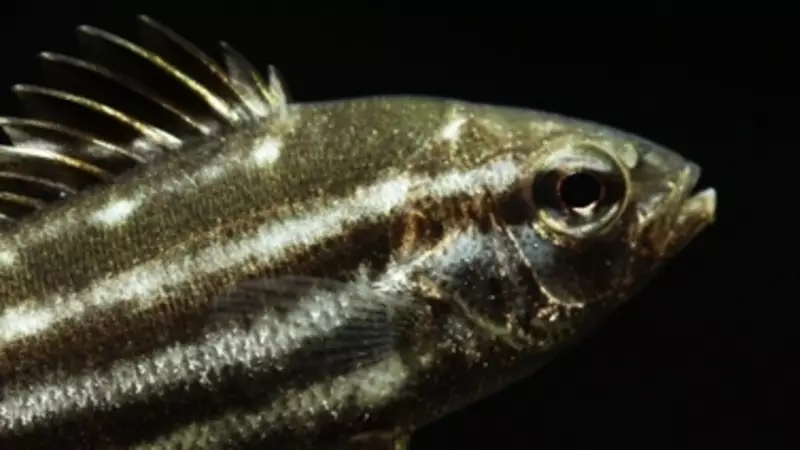
The research focused on fish in the Mulgrave River and the Moresby River, south of Cairns. Using advanced techniques like DNA analysis of fish gut contents and video monitoring, the scientists documented a surprising phenomenon. Fish species, including the jungle perch, the sooty grunter, and the striped grunter, were actively consuming fruits that had fallen into the waterways from overhanging rainforest trees.
Dr. Chris Barlow, a fisheries scientist at JCU, highlighted the significance of the find. "We've got photographic evidence, we've got video evidence, and we've got DNA evidence," he stated. This multi-faceted approach left no doubt about the fish's fruity preferences. The study identified a variety of fruits in their diet, including native figs, the cassowary plum, and the bumpy satinash.

A Symbiotic Relationship in the Rainforest
This discovery points to a complex and symbiotic ecological relationship. The fish are not just scavenging random scraps; they are integral players in the rainforest's lifecycle. By consuming the fruit, the fish likely aid in seed dispersal, helping to propagate the very trees that feed them. This interaction underscores the interconnectedness of terrestrial and aquatic ecosystems in the Wet Tropics.
The research builds directly upon the deep ecological knowledge held by the Indigenous Eastern Kuku Yalanji people. Their understanding of the land and its creatures, including which fish ate certain fruits, provided the foundational hypothesis for the scientific investigation. The JCU team worked collaboratively, valuing this traditional wisdom as a crucial guide for their fieldwork.
Implications for Conservation and Culture
The findings have important ramifications. Firstly, they reinforce the need for holistic conservation strategies. Protecting river health is not just about water quality; it's also about preserving the surrounding riparian vegetation that provides this critical food source. Damage to riverbanks or deforestation could sever this vital nutritional link for the fish.
Secondly, the study validates and celebrates Indigenous knowledge systems. It demonstrates how traditional observations can lead to groundbreaking scientific discoveries. This partnership model paves the way for more collaborative research that respects and incorporates First Nations' understanding of Country.
Dr. Barlow emphasised the broader message: "It just shows the amazing diversity of life in the Wet Tropics and how little we actually know." The research, published in the journal Ecology, opens a new chapter in understanding the unique food webs of Australia's northern rainforests and highlights the invaluable role of bush tucker in sustaining aquatic life.