Fox Culling Efforts Doubled in Yellagonga Regional Park to Safeguard Native Wildlife
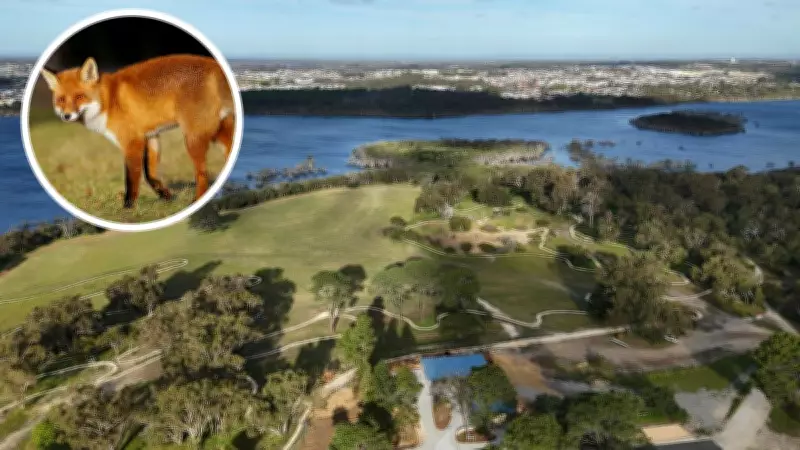
Feral foxes roaming through Yellagonga Regional Park are now facing intensified targeting as part of a ramped-up initiative to protect the park's vulnerable native wildlife. This decisive action comes in response to growing community alarm over foxes devastating turtle populations and preying on kangaroos, prompting a collaborative effort to mitigate the threat.
Escalated Control Measures and Community Concerns
In November 2025, the cities of Joondalup and Wanneroo, alongside the Department of Biodiversity, Conservation and Attractions (DBCA), agreed to more than double fox control operations across the park. This commitment translates to eight rounds of fox culling scheduled from November 2025 to August 2026, a significant increase from just three rounds in 2024 and two in 2023.
The European red fox, introduced to Australia in 1855 for recreational hunting, had established wild populations by the 1870s. Today, it is classified as a major pest in Western Australia, posing a severe threat to species such as the southwestern snake-necked turtle and its eggs, which are critically endangered in the regional park.

Recent Successes and Ongoing Challenges
According to a DBCA spokesperson, 22 foxes have been removed from Yellagonga Regional Park in the past four months during two control rounds, with another operation currently underway. This figure is approaching the 31 foxes culled in the 2024–25 financial year, highlighting the effectiveness of the intensified efforts.
However, effective fox management faces significant hurdles. The greatest challenge in fox management is the rapid reinvasion of bushland areas, as foxes have large home ranges, move easily across mixed land tenures, and are relatively common in urban areas, explained a DBCA spokesperson. Control options are also limited in urban environments due to the presence of domestic animals and high-use visitor areas.
Community-Driven Initiatives and Financial Commitments
The decision to escalate fox control followed a vote by residents at the 2025 Joondalup annual general meeting, urging the council and city to work with greater urgency to cull the growing population of foxes in the area. A report on this issue is now set to return to the council, providing an overview of existing and proposed fox control and kangaroo management strategies.
Financially, the cities of Joondalup and Wanneroo each contribute $5,000 annually to the fox control program in Yellagonga Regional Park, matched by the DBCA. Additionally, the City of Joondalup increased its feral animal control budget by 31% for 2025–26 to $40,774, with about $10,000 allocated to rabbit control and the remainder for fox operations. The proposed budget for 2026–27 is $50,000, a 22% increase.
Broader Impact and Collaborative Efforts
The Invasive Species Council estimates that up to 16 mammal species have become extinct, fully or partly, due to foxes in Australia. A recent study by Curtin University and the University of Adelaide, mapping the spread of red foxes, estimates there are now around 1.7 million foxes nationwide. European red foxes and domestic cats brought to Australia by European colonists kill about 300 million native animals in Australia every year and remain the major driver of past and current extinctions, said lead author Dr. Sean Tomlinson from Curtin University.
In 2025, the Friends of Yellagonga Regional Park received $45,000 through State election promises to support increased fox control. Moreover, the two cities and the DBCA have developed a new kangaroo management action plan, outlining key actions over the next 24 months, including:
- Fencing upgrades in specific locations identified for improvement.
- Installation of new wildlife protection signage.
- Community engagement programs on protecting wildlife.
- Various research initiatives to enhance conservation efforts.
The DBCA has also committed to funding a round of fox control in Neerabup National Park, adjacent to Yellagonga Regional Park. The agreement will be reviewed in September 2026 to assess effectiveness and guide future fox control programs, ensuring a sustained and integrated approach to wildlife protection.