Entangled Humpback Whale Moves North: How South Coast Locals Can Assist
In an unusual occurrence outside the typical whale migration period, an entangled humpback whale is making its way north along the South Coast of New South Wales. The whale, first sighted early on Saturday, January 31, has sparked a coordinated monitoring effort led by wildlife rescue volunteers.
Tracking the Whale's Journey
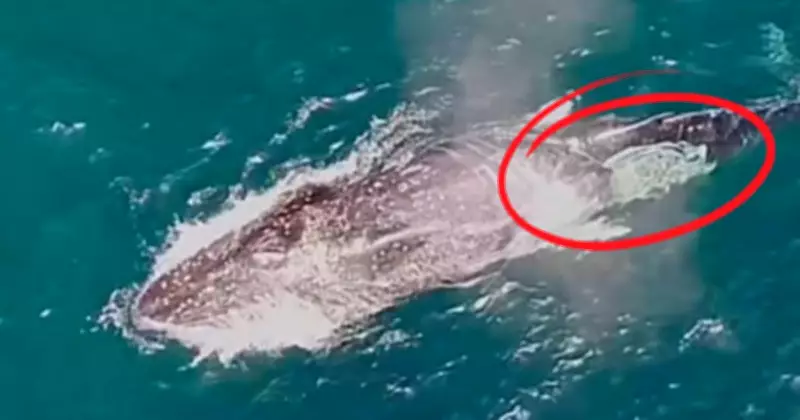
The humpback was initially observed off Bermagui at approximately 5am. Throughout the day, it progressed northwards, appearing near Mystery Bay by midday and reaching Narooma by 4pm. By 7pm, the animal was sighted close to shore near Stinking Bay at Nelson, located north of Tathra.
A significant amount of green rope is entangled around the whale's body, stretching from its side fins towards its tail. ORRCA spokeswoman Jessica Fox noted that the impact of this entanglement on the whale's ability to feed remains unknown.

Challenges in Location and Monitoring
The whale is not trailing any visible buoys or lines, which complicates efforts to spot it from land or vessels. As of Sunday, February 1, there have been no further confirmed sightings, prompting ORRCA to issue a specific call for assistance.
"Drone sightings are likely to be the most effective way to relocate this animal," Ms Fox stated. The volunteer-run organisation is appealing to South Coast drone operators to help monitor the whale's movements and condition.
Anticipated Movement and Seasonal Anomaly
ORRCA has projected the whale's likely path in the coming days. They anticipate it will be near Moruya before sunrise on Monday, reach Malua Bay by midday, and approach South Durras by sunset.
Whale migration season typically runs from May to November. While it is uncommon for a humpback to be this far north at this time of year, it is not unprecedented. Ms Fox suggested that the entanglement itself may be influencing the whale's northerly trajectory.
Public Guidelines and Legal Requirements
Rescue teams across the South Coast remain on alert, ready to locate the whale and assess its condition. Public sightings are crucial for determining the animal's speed and proximity to shore.
"We're definitely not encouraging people to encroach on their space," Ms Fox emphasised. In New South Wales, strict exclusion zones are legislated to protect marine mammals:
- Drones must maintain a minimum distance of 100 metres from any whale.
- Boats and paddlecraft must stay at least 100 metres away, increasing to 300 metres if a calf is present.
At this stage, ORRCA has not determined whether the entangled humpback is male or female. Anyone who sights the whale is urged to contact ORRCA immediately on 9415 3333 to provide vital information for the monitoring effort.