Endangered Marsupial's Dangerous Diet Puts It at Risk from Global Bird Flu
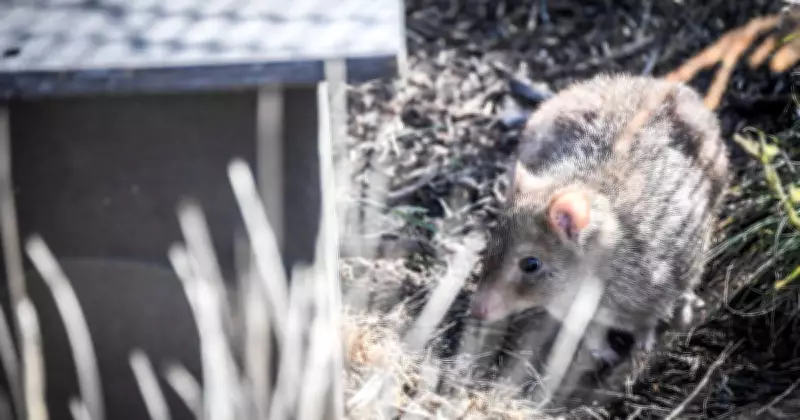
The endangered eastern quoll, a furry marsupial that vanished from mainland Australia over six decades ago, faces a new and potentially devastating threat from the deadly H5 strain of bird flu sweeping across the globe. According to wildlife experts, the quoll's natural carnivorous habits could make it particularly vulnerable if the disease reaches Australian shores.
Quarantine Station Funded to Shield Vulnerable Population
The Albanese government has announced a significant $185,000 grant for the Mulligans Flat Woodland Sanctuary in the ACT to construct a specialized quarantine station. This infrastructure aims to protect the sanctuary's vulnerable eastern quoll population from potential bird flu outbreaks. The funding forms part of a broader $100 million federal program designed to prepare Australia for the arrival of high pathogenicity avian influenza.
Dean Maxworthy, a wildlife project officer at the sanctuary, explained the critical danger. "It's pretty important that we try and save the population that we do have," Mr Maxworthy told The Canberra Times. "If the birds do start dying and falling out of the sky, the quolls will be opportunistic and feed off bird carcasses. So, we think they are going to be the first ones to get affected."

A Species Reintroduced from the Brink of Extinction
The eastern quoll was officially declared extinct on mainland Australia in 1963, primarily due to predation by introduced species like foxes and feral cats. A decade ago, the species was successfully reintroduced at Mulligans Flat, which provides a protected landscape where animals enjoy natural freedom without these lethal threats. The sanctuary is now home to several hundred free-roaming quolls.
However, the existing enclosures are only designed to maintain a breeding population during crisis scenarios. "We have some incredible animals in Australia, and it would be a shame to see a lot of our animals go extinct from this bird flu," Mr Maxworthy stated, expressing gratitude for the new federal support.
Isolation Strategy Mirrors Pandemic Protocols
The planned quarantine station, expected to be completed within a couple of months, will operate on principles similar to human pandemic management. Approximately fifteen quolls will be lured into the enclosures using sardines as bait. If the H5 bird flu strain is detected in Australia, these animals will be held in protective captivity until the disease wave subsides.
"It's sort of similar to Covid, it comes through in waves," Mr Maxworthy observed. "By isolating [the quolls] and keeping them in quarantine, we're hoping that we can get past the worst wave of the bird flu." He noted that quolls generally adapt well to captivity, and the enclosures will include numerous hideaways and sunny basking spots to support their wellbeing.
The ideal quarantine period would not exceed three to four months, as Mr Maxworthy emphasized: "Being wild animals, you don't really want to be holding them for longer than you really have to."
Broader Applications for Disaster Preparedness
Even if Australia avoids an H5 bird flu outbreak, the investment in quarantine infrastructure will not be wasted. Mr Maxworthy highlighted its potential utility for other environmental emergencies. "These enclosures could also be very useful infrastructure to house animals if a bushfire comes through, or something else happens," he explained. "All diseases and natural disasters are becoming more and more frequent, and to be able to protect some animals when these things happen is never going to be a bad thing."
Political Support and Inevitable Threat
Fenner MP Andrew Leigh affirmed the government's commitment to the sanctuary's conservation efforts. "Because bird flu is often spread by migratory birds it's impossible to completely avoid the risk of it reaching Australia," Dr Leigh said, underscoring the necessity of proactive measures.

While the H5 strain has not yet been detected on the Australian mainland, its arrival is considered a looming threat due to global bird migrations. In a concerning development, elephant seals on the sub-Antarctic territory of Heard Island were found infected with the disease in November, located just 4000 kilometres from Perth. Although other, less severe bird flu strains exist in Australia, the H5 variant is notorious for causing severe symptoms and high mortality rates.
The federal program allocates $35.9 million specifically to safeguard threatened native species nationwide, reflecting a growing recognition of the interconnected risks posed by global wildlife diseases to Australia's unique and isolated ecosystems.