CSIRO Expedition Uncovers Dozens of New Species in Major Biodiversity Find
A groundbreaking expedition led by the Commonwealth Scientific and Industrial Research Organisation (CSIRO) has resulted in the discovery of dozens of previously unknown marine species off the coast of Cairns, Queensland. This major biodiversity find highlights the rich and largely unexplored life in Australia's marine environments, with scientists hailing it as a significant contribution to global ecological knowledge.
Expedition Details and Methodology
The CSIRO team conducted an extensive research voyage using advanced underwater technologies, including remotely operated vehicles (ROVs) and deep-sea sampling equipment. Over several weeks, they explored diverse habitats such as coral reefs, seamounts, and deep ocean floors, collecting specimens and data from depths ranging from shallow waters to over 1,000 meters. The expedition focused on areas that had not been thoroughly studied before, allowing for the identification of unique species that had evaded previous scientific documentation.
Key Discoveries and Species Highlights
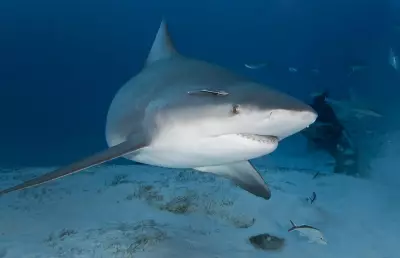
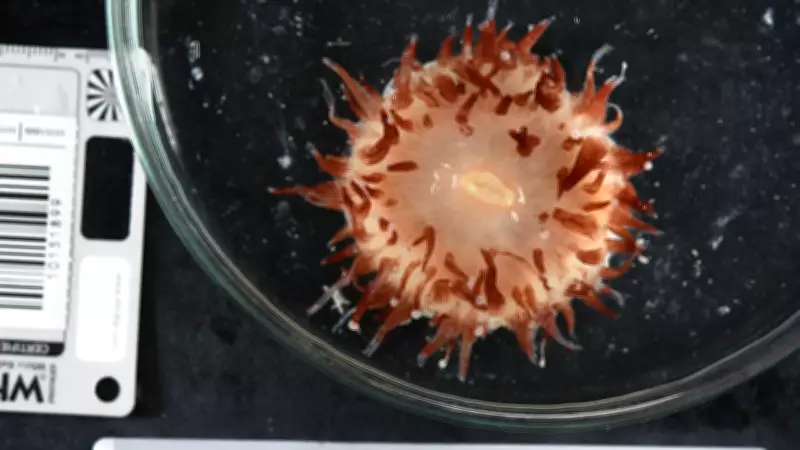
Among the dozens of new species found are various types of fish, corals, crustaceans, and invertebrates. Preliminary analysis suggests that many of these organisms possess unique adaptations to their specific environments, such as bioluminescence in deep-sea creatures or symbiotic relationships with other marine life. For example, researchers identified a new species of coral that exhibits vibrant colors not seen in known relatives, as well as several small fish with distinctive markings and behaviors. These findings are expected to provide insights into evolutionary processes and ecosystem dynamics in the region.

Implications for Conservation and Research
This discovery underscores the importance of continued exploration and conservation efforts in Australia's marine territories. With climate change and human activities posing threats to ocean health, understanding biodiversity is crucial for developing effective protection strategies. The CSIRO plans to conduct further studies to assess the ecological roles of these new species and their potential vulnerabilities. Additionally, the data collected will contribute to global databases, aiding in broader conservation initiatives and scientific research on marine biodiversity.
Future Directions and Public Engagement
Moving forward, the CSIRO aims to expand its expeditions to other understudied areas, leveraging this success to secure funding and support for ongoing marine research. Public engagement activities, such as educational programs and exhibitions, are also planned to raise awareness about the importance of marine conservation. By sharing these discoveries with the community, scientists hope to inspire a greater appreciation for Australia's natural heritage and encourage sustainable practices to preserve it for future generations.