Cockatoos Flock to Trinity Beach Power Lines for Safety and Socialising
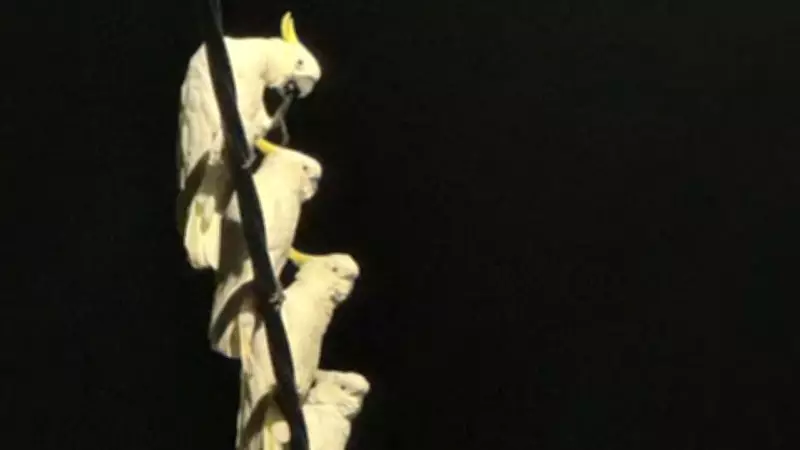
In the coastal suburb of Trinity Beach, a remarkable sight has captured the attention of residents and wildlife enthusiasts alike: flocks of cockatoos congregating on power lines. This behaviour, far from being a mere curiosity, reveals deep insights into the birds' adaptation to urban life, driven by a combination of safety concerns, social needs, and the realities of city living.
Safety from Predators
Cockatoos have found that power lines offer a strategic vantage point to avoid ground-based predators such as cats and dogs. By perching high above the ground, these intelligent birds can spot potential threats from a distance, allowing them to react swiftly. This elevated position provides a secure roosting spot, especially during the night when predators are most active. The open structure of power lines also minimises hiding places for predators, further enhancing the cockatoos' safety.
Social Interaction and Bonding
Beyond safety, the power lines serve as a crucial social hub for cockatoos. These highly social birds use these gatherings to strengthen bonds, communicate through vocalisations, and engage in grooming activities. Observers note that the flocks often engage in playful behaviours, such as hanging upside down or performing aerial acrobatics, which help maintain social cohesion. This socialising is vital for their well-being, as it fosters group dynamics that support survival in changing environments.

Adaptation to Urban Life
The increasing presence of cockatoos in Trinity Beach reflects their remarkable ability to adapt to urbanisation. As natural habitats shrink due to development, these birds have turned to man-made structures like power lines as substitutes for trees and cliffs. They have also learned to exploit food sources in residential areas, such as fruit trees and garden feeders, which supplement their diet. This adaptability highlights their resilience, but it also raises questions about the long-term impacts of city life on their health and behaviour.
Challenges and Coexistence
While the cockatoos' use of power lines demonstrates their ingenuity, it poses challenges for both the birds and the community. Power lines can sometimes lead to electrocution risks or conflicts with utility companies. However, many residents in Trinity Beach have embraced these flocks, viewing them as a charming part of the local wildlife. Efforts to promote coexistence include installing bird-friendly infrastructure and educating the public on how to safely interact with these urban adapters.
In summary, the cockatoos of Trinity Beach are not just randomly perching on power lines; they are engaging in a complex behaviour shaped by safety, social needs, and urban adaptation. This phenomenon underscores the intricate ways wildlife navigates human-dominated landscapes, offering a fascinating glimpse into the resilience of nature in the face of change.