Waratah Residents Urged to Stay Vigilant After Cane Toad Sightings
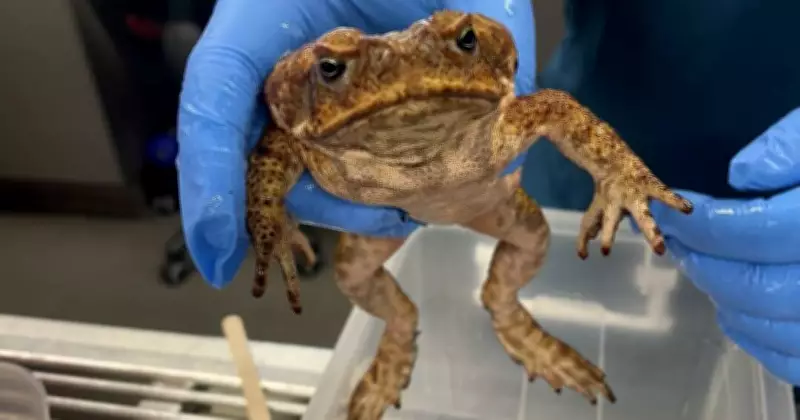
Residents in the Waratah area have been placed on high alert following recent detections of cane toads, an invasive species known for its harmful impact on local ecosystems. Authorities have issued a formal warning to the community, emphasizing the need for immediate action to prevent the spread of these toxic amphibians.
Details of the Cane Toad Detections
The cane toads were identified in multiple locations across Waratah, prompting concerns from environmental agencies and local wildlife experts. These detections mark a significant threat to native fauna, as cane toads are notorious for preying on small animals and outcompeting indigenous species for resources.
Key facts about the situation include:

- The exact number of cane toads found has not been disclosed, but multiple sightings have been confirmed.
- Authorities suspect the toads may have been introduced through human activity, such as accidental transport or illegal pet trade.
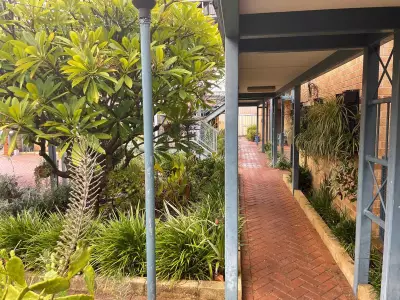
- Waratah's proximity to waterways and green spaces makes it particularly vulnerable to cane toad infestations.
Risks and Environmental Impact
Cane toads pose a severe risk to Australia's biodiversity. Their toxic skin secretions can be lethal to predators, including pets and native wildlife like snakes and lizards. Additionally, they reproduce rapidly, with females capable of laying thousands of eggs each year, which can lead to population explosions if left unchecked.
Environmental experts warn that without prompt intervention, cane toads could establish a permanent presence in Waratah, disrupting local ecosystems and causing long-term damage.
Guidelines for Residents
To combat this threat, authorities have provided clear guidelines for Waratah residents:
- Report sightings immediately: Contact local wildlife services if you spot a cane toad. Do not attempt to handle them, as their toxins can be harmful.
- Secure your property: Remove potential hiding spots, such as piles of debris or dense vegetation, to discourage toads from settling.
- Protect pets and children: Keep animals on leashes and supervise outdoor activities to avoid accidental contact with cane toads.
- Support community efforts: Participate in local awareness campaigns and follow updates from environmental agencies.
These measures are crucial for containing the spread and minimizing ecological harm.
Broader Context and Response
This incident in Waratah is part of a larger issue across Australia, where cane toads have been a persistent problem since their introduction in the 1930s. Government bodies and conservation groups are working together to implement control strategies, including public education and targeted removal programs.
In Waratah, local councils are coordinating with state authorities to monitor the situation and deploy resources as needed. Residents are encouraged to stay informed through official channels and take proactive steps to safeguard their environment.
By heeding this warning and following expert advice, the Waratah community can play a vital role in protecting its natural heritage from the invasive cane toad threat.