Cane Toad Captured at Lake Macquarie Sparks Biosecurity Concerns
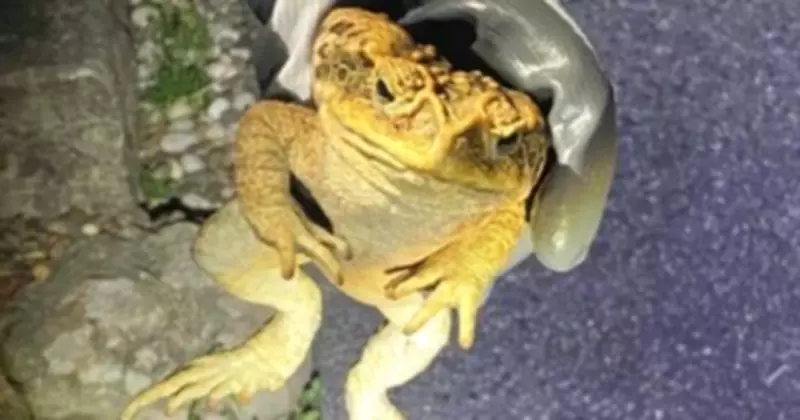
A cane toad has been discovered and captured at Lake Macquarie, triggering a biosecurity alert among local authorities and environmental groups. This incident highlights the ongoing threat posed by invasive species to Australia's native ecosystems and wildlife.
Discovery and Immediate Response
The cane toad was found in the Lake Macquarie area, a region not typically associated with this invasive species. Upon identification, the toad was promptly captured by concerned residents who reported the sighting to relevant authorities. This swift action is crucial in preventing the establishment of a breeding population, which could have devastating effects on local biodiversity.
Biosecurity measures have been heightened in response to this discovery. Officials are urging the public to remain vigilant and report any further sightings of cane toads or other invasive species. Early detection and rapid response are key strategies in managing the spread of such pests, which can outcompete native animals for resources and introduce diseases.

Environmental and Ecological Implications
Cane toads are notorious for their toxic skin secretions, which can be lethal to predators like snakes, lizards, and birds. Their presence in new areas poses a significant risk to native wildlife, potentially disrupting food chains and ecosystem balance. At Lake Macquarie, home to various vulnerable species, the introduction of cane toads could lead to population declines and habitat degradation.
Environmental experts emphasize that this incident underscores the importance of robust biosecurity protocols. Invasive species management requires coordinated efforts between government agencies, community groups, and the public to monitor and control outbreaks effectively.
Community Involvement and Prevention Strategies
Local residents play a vital role in biosecurity by staying informed and proactive. Authorities recommend the following steps to help prevent the spread of cane toads:
- Report any sightings immediately to local wildlife or environmental departments.
- Avoid transporting soil, plants, or materials that could harbor invasive species.
- Participate in community education programs to learn about identifying and managing pests.
By fostering a collaborative approach, communities can enhance their resilience against invasive threats and protect Australia's unique natural heritage.
Looking Ahead: Monitoring and Research
In light of this discovery, ongoing monitoring and research efforts are being prioritized. Scientists are studying the potential pathways through which the cane toad arrived at Lake Macquarie, whether through human activity, natural migration, or other means. This information will inform future prevention strategies and policy adjustments to strengthen biosecurity frameworks nationwide.
The capture of this cane toad serves as a timely reminder of the persistent challenges in managing invasive species. As climate change and human activities alter landscapes, vigilance and adaptive management are essential to safeguarding Australia's ecosystems for future generations.