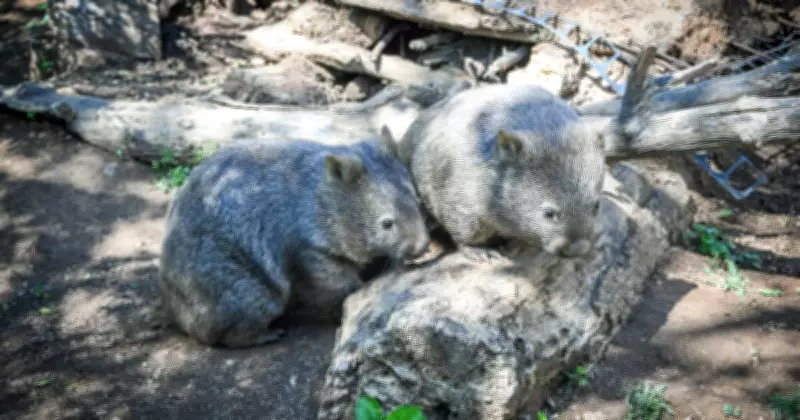
ACT Wombat Cull Proposal Ignites Heated Public and Political Debate
A contentious proposal to cull wombats in the Australian Capital Territory has erupted into a major controversy, pitting conservationists against agricultural interests and sparking widespread community concern. The debate centres on managing the local wombat population, which some stakeholders argue has grown to unsustainable levels, causing significant damage to farmland and native ecosystems.
Farmers Advocate for Population Control Amid Environmental Concerns
Farmers in the ACT region have voiced strong support for the cull, citing extensive crop destruction, soil erosion, and threats to livestock as key reasons for action. They report that wombat burrowing activities are undermining infrastructure and reducing agricultural productivity, with economic losses mounting each year. Proponents of the cull emphasise the need for balanced wildlife management to protect both livelihoods and the environment.
Conservation Groups Condemn Cull as Inhumane and Unnecessary
In stark opposition, conservation organisations and animal rights activists have condemned the proposed cull as cruel and scientifically unjustified. They argue that wombats are a protected native species and that non-lethal methods, such as habitat modification and relocation, should be prioritised. Critics warn that culling could disrupt local ecosystems and set a dangerous precedent for wildlife management across Australia.

Government Faces Pressure to Find a Sustainable Solution
The ACT government is now under intense pressure to navigate this polarising issue, with calls for transparent decision-making and evidence-based policies. Officials have indicated that any action will consider ecological impacts, community feedback, and legal frameworks. The debate highlights broader challenges in balancing human interests with biodiversity conservation in urban and rural settings.
As discussions continue, the wombat cull controversy underscores the complex interplay between agriculture, conservation, and animal welfare in modern Australia. Stakeholders from all sides are urging a careful, collaborative approach to ensure long-term sustainability and ethical outcomes for both people and wildlife.