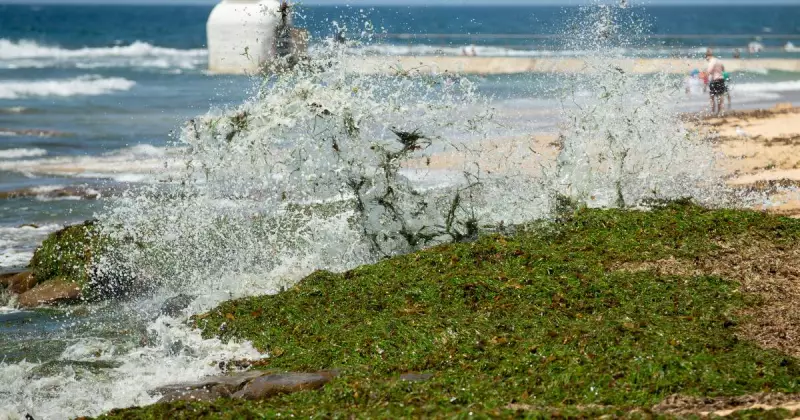
Newcastle and the wider Hunter region are bracing for an uncomfortable weekend combination of extreme heat and pungent, decomposing seaweed along the coastline.
Double Trouble: Scorching Temperatures Meet Marine Debris
The Bureau of Meteorology has forecast a severe to extreme heatwave to grip south-eastern Australia later this week. This event is expected to be the first major burst of heat for the region this summer, according to senior meteorologist Dean Narramore.
Mr Narramore explained that the prolonged heat is due to a large high-pressure system in the Tasman Sea creating a meteorological 'traffic jam'. This will result in three to four consecutive days of daytime temperatures reaching the mid to high 40s in some areas, with overnight minimums not dropping below the mid-20s.

This soaring mercury coincides with large deposits of seaweed on Newcastle beaches, including Merewether, which were dislodged by recent heavy swells. The impending hot weather is likely to accelerate the decomposition process, leading to stronger odours.
Council Response and Ecological Importance
A City of Newcastle spokeswoman addressed the seaweed situation, stating it is a normal part of marine movement. She explained that seaweed is regularly displaced from offshore reefs and seagrass beds by ocean swell and weather systems.
The council provides weekly beach services, weather permitting, to manage the accumulation. The collected seaweed is moved to designated approved locations to allow it to remain within the beach environment. This practice supports coastal ecosystem health, as seaweed provides crucial food and habitat for juvenile fish and crustaceans.
The spokeswoman emphasised that seaweed on beaches is a normal feature of a healthy coastal system and does not impact water quality or public safety. Council continues to monitor conditions and collaborate with other coastal councils on evidence-based management practices.
The Department of Primary Industries, which regulates seaweed removal under the Fisheries Management Act, notes that marine seaweed populations are among the most productive ecosystems on Earth.
Regional Variations and Outlook
While Newcastle's beaches are seeing significant accumulations, the situation in neighbouring Lake Macquarie is different. A council spokesman reported that their beaches have been mostly spared from large seaweed deposits. Their regular beach grooming service operates as normal, with seaweed above the high tide mark typically removed during that process or by natural tide movements.
Residents and visitors to Newcastle beaches this weekend are advised to prepare for both the extreme heat, with temperatures expected to climb into the high 30s from a Wednesday peak of 30 degrees, and the presence of the natural seaweed deposits. The combination promises a distinct sensory experience along the shore.