Welcome to the latest live coverage of breaking news events across Australia. Stay informed with comprehensive updates on major incidents, traffic disruptions, and weather developments as they unfold throughout the day.
Victoria Battles Power Outages Amid Record-Breaking Heatwave
Thousands of Victorian households and businesses are currently experiencing electricity disruptions as a severe and prolonged heatwave places unprecedented strain on the state's power infrastructure. The extreme weather conditions have resulted in widespread outages, leaving many residents without essential services during the scorching temperatures.
Current Power Restoration Efforts
As of 8:30 PM on Tuesday evening, approximately 106,000 people across Victoria, including metropolitan Melbourne areas, were affected by power failures. While restoration teams have worked through the night to reconnect properties, significant challenges remain. This morning, around 33,000 individuals continue to endure electricity shortages as technicians race against time to repair damaged infrastructure.

Record Temperatures Across the State
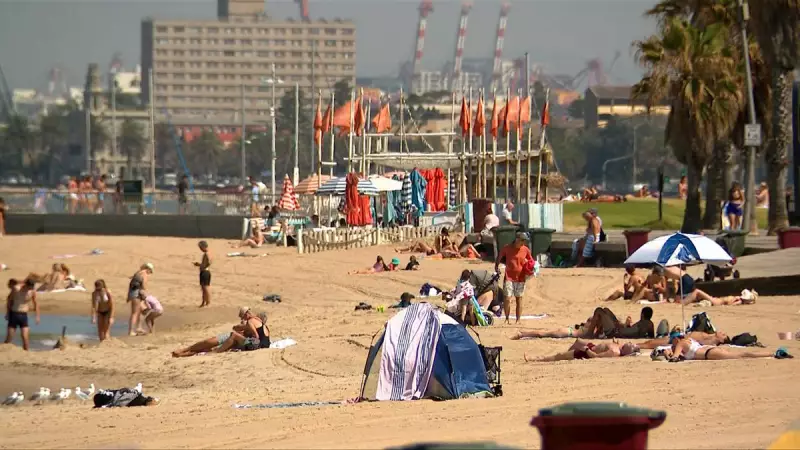
The heatwave has produced extraordinary temperature readings throughout Victoria, marking what meteorologists describe as the most severe heat event in two decades. The town of Walpeup in the Mallee region recorded a staggering high of 48 degrees Celsius, highlighting the intensity of the weather system affecting the state.
Multiple regions remain under official extreme heatwave warnings for Wednesday, including:
- Mallee and Wimmera districts
- Northern Country and East Gippsland areas
- West and South Gippsland regions
- North Central Victoria
Health Authorities Issue Critical Warnings
Victorian Chief Health Officer Dr. Caroline McElnay has emphasized the serious health risks associated with the current weather conditions. "Severe heatwave conditions present significant dangers for vulnerable community members," Dr. McElnay stated during a Tuesday press briefing.
"These extreme temperatures can lead to potentially life-threatening medical emergencies including heat exhaustion and heat stroke. The stress on the body may also trigger cardiovascular events such as heart attacks or strokes," she explained, urging residents to take appropriate precautions.
The combination of electricity shortages and extreme heat creates particularly hazardous circumstances for elderly residents, young children, and those with pre-existing medical conditions who rely on cooling systems and medical equipment requiring stable power supply.
Energy providers continue to monitor grid stability as demand for air conditioning and cooling systems places additional pressure on the already compromised electricity network. The situation underscores the broader challenges facing Australia's energy infrastructure during increasingly frequent extreme weather events.