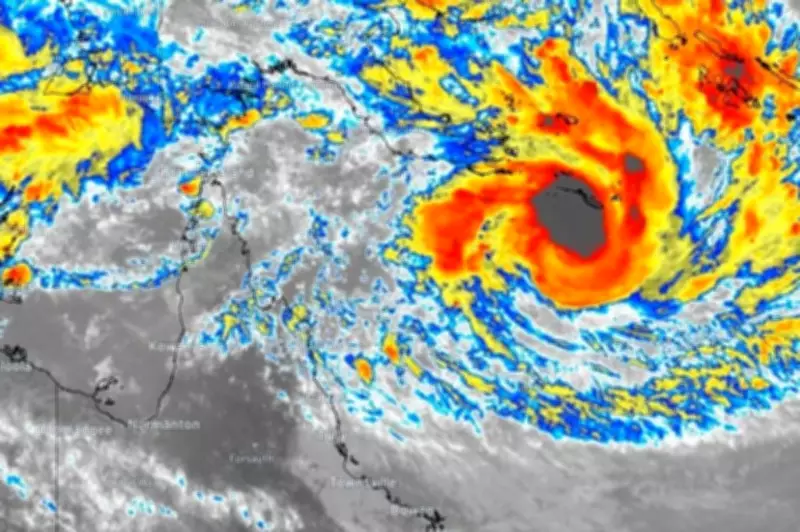
Cyclone Nacelle Gains Strength, Poses Imminent Danger
Cyclone Nacelle is currently intensifying at a rapid pace as it moves closer to vulnerable coastal areas, raising significant concerns among meteorologists and emergency services. The storm system has been closely monitored over the past several days, with its trajectory indicating a direct path toward populated regions. Authorities have issued urgent warnings, advising residents to take immediate precautions to safeguard lives and property.
Emergency Services on High Alert
Emergency response teams are on high alert, coordinating efforts to mitigate potential damage from the approaching cyclone. Evacuation plans have been activated in low-lying and flood-prone zones, with shelters being prepared to accommodate displaced individuals. The Bureau of Meteorology has emphasized the storm's increasing intensity, predicting heavy rainfall, destructive winds, and possible storm surges that could lead to widespread flooding.
Local governments are urging communities to secure loose items, stock up on essential supplies, and stay informed through official channels. The cyclone's development has been unusually swift, catching some off guard and highlighting the need for heightened preparedness during the storm season.

Potential Impacts and Safety Measures
The potential impacts of Cyclone Nacelle are severe, with forecasts indicating:
- Sustained wind speeds exceeding 150 kilometers per hour
- Torrential rainfall leading to flash flooding in urban and rural areas
- Coastal erosion and storm surges threatening beachfront properties
- Disruptions to power supplies and transportation networks
Residents are advised to avoid unnecessary travel, prepare emergency kits, and follow evacuation orders if issued. The cyclone's path remains subject to change, but current models suggest it will make landfall within the next 24 to 48 hours, intensifying the urgency of response efforts.
This event underscores the broader challenges of climate change, with increasing frequency and intensity of such storms in recent years. Community resilience and proactive planning are crucial in minimizing the cyclone's devastating effects.