Australia is on high alert as the nation prepares for what forecasters predict will be its most severe heatwave since 2019, with medical authorities issuing urgent warnings about how rapidly extreme temperatures can overwhelm the human body.
Scorching Temperatures and Soaring Fire Danger
Over the coming days, thermometers are expected to climb past 45 degrees Celsius in several regions. The intense heat has triggered a dramatic increase in fire danger, leading to total fire bans being declared for parts of Victoria and South Australia. A particularly concerning aspect of this weather event is the forecast of sustained heat over several days, with nights offering little reprieve as temperatures fail to drop significantly.
Ambulance Services Brace for Impact
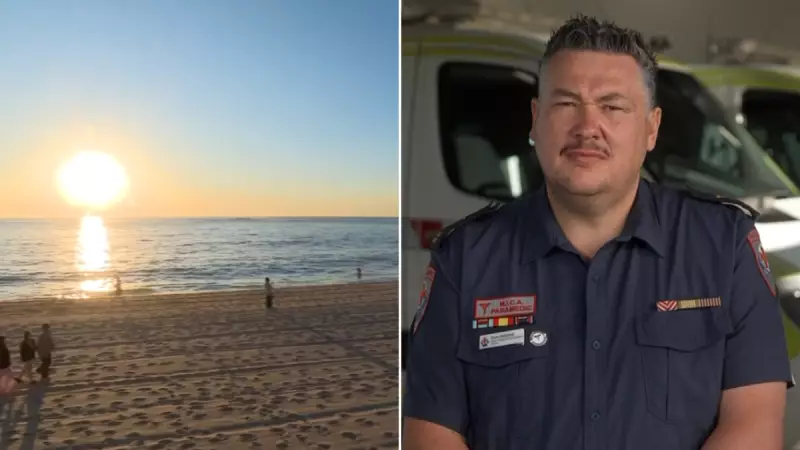
Emergency services are preparing for a significant spike in demand. Ambulance Victoria State Health Commander Ross Salathiel stated that paramedics are bracing for a surge in callouts throughout the extreme weather period. He emphasised that while the vulnerable are most at risk, such extreme conditions can affect anyone.

One of the most critical warnings issued is about the danger of leaving children, the elderly, or pets in parked vehicles. Salathiel revealed that ambulance services respond to more than a thousand cases of children locked in cars annually, with most incidents occurring during summer. In a stark statistic, he noted that Victoria alone recorded 120 such cases in the previous month. Nationally, the NRMA has reported over 1,400 incidents of babies and animals locked in cars across NSW in 2024.
Recognising the Stages of Heat-Related Illness
Health experts outline that heat-related illness typically progresses through three distinct stages:
- Heat Cramps: Often manageable at home with rest, shade, and hydration.
- Heat Exhaustion: A more serious condition requiring medical attention.
- Heat Stroke: A life-threatening medical emergency.
Symptoms of severe heat illness include light-headedness, altered consciousness, and seizures. Commander Salathiel highlighted one critical red flag: when a person in a hot environment stops sweating. "This means the body has lost its ability to cool itself down, which is a sign of severe heat stroke," he warned.
Authorities are urging all Australians to take the forecast seriously. The key advice is to stay exceptionally well-hydrated, avoid the sun during peak hours, never leave anyone in a stationary car, and regularly check on elderly neighbours, family members living alone, and others who might be vulnerable. With the heatwave set to test the nation's resilience, community vigilance and preparedness are considered essential for preventing catastrophe.