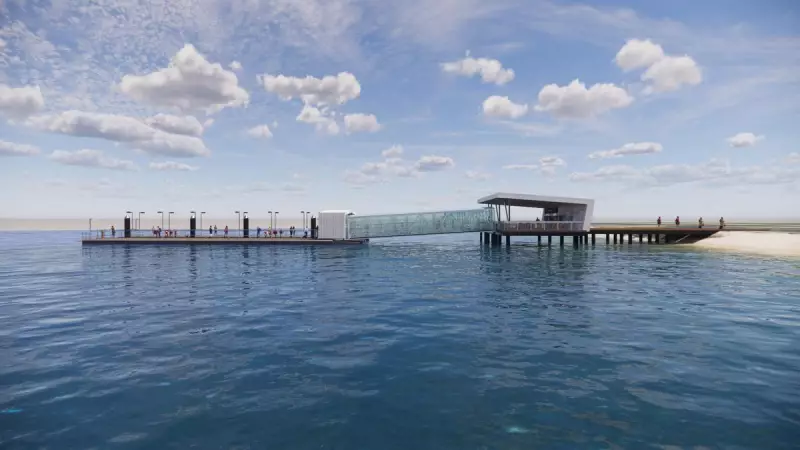
A proposed new ferry service for Perth's Matilda Bay is facing sharp criticism from a leading urbanist, who argues the project fundamentally contradicts established principles of good city planning.
Controversial Plan for the Swan River
The plan, put forward by the City of Perth, involves establishing a ferry terminal at Matilda Bay, a picturesque location near the University of Western Australia. The service would connect this point to existing stops at Elizabeth Quay and Mends Street in South Perth.
However, urban commentator Alex Watson has strongly criticised the proposal. He contends that the project goes against the grain of sensible urban development by seeking to move people away from a major activity centre, rather than towards it.

The core of Watson's argument is that the ferry would primarily serve to transport people from the vibrant Elizabeth Quay precinct out to the quieter, residential-focused Matilda Bay. This, he says, inverts the logical flow of public transport, which should concentrate on bringing people into hubs of employment, retail, and entertainment.
Questioning the Logic and Demand
Watson points out that Matilda Bay lacks the high-density residential or commercial development that typically justifies and sustains a frequent ferry service. The area is dominated by low-density housing and the university campus, which has its own distinct travel patterns.
"You're essentially creating a service to take people from where everything is happening to where not much is happening," Watson summarised. He questions whether there is genuine, all-day demand for such a route, suggesting it might only see peak usage for specific events or tourism, risking becoming an underutilised "white elephant."
The critique extends to the potential impact on the local area. Watson warns that the infrastructure required—including waiting shelters, ticketing machines, and accessible pathways—could urbanise and compromise the very natural, tranquil character of Matilda Bay that residents and visitors cherish.
A Broader Principle at Stake
Beyond the specifics of this ferry route, Watson's analysis touches on a fundamental rule of urban planning: public transport must serve density and activity. Successful systems are built around moving large numbers of people between places where many people live, work, and socialise.
Investing in a service that does the opposite, he argues, represents a poor use of public funds and infrastructure effort. Resources could be better directed towards enhancing transport connections in growing, dense corridors or improving last-mile connectivity from major hubs.
This expert criticism places the City of Perth's proposal under a harsh spotlight. It challenges the council to demonstrate a clear, evidence-based demand for the service and to show how it aligns with broader strategic goals for a connected, efficient, and sustainable city, rather than contradicting them.
The debate raises significant questions about the future of Perth's Swan River transport and whether new projects are driven by solid planning principles or by other, less tangible motivations.