Geelong's Cemetery Space Crisis: Turning Ashes into Trees Offers Solution
Geelong is grappling with a significant shortage of cemetery space, a problem that has been escalating as urban development and population growth continue to strain existing burial grounds. This issue poses a challenge for the community, which seeks respectful and accessible ways to honor the deceased. However, a novel and environmentally conscious initiative is emerging as a potential solution: turning cremated ashes into trees.
The Growing Problem of Cemetery Space
With limited land available for traditional burials, Geelong's cemeteries are nearing capacity, leading to concerns about future availability and the environmental impact of conventional burial practices. This shortage is not unique to Geelong but reflects a broader trend in many urban areas, where space constraints and sustainability considerations are driving the search for alternatives.
How Turning Ashes into Trees Works
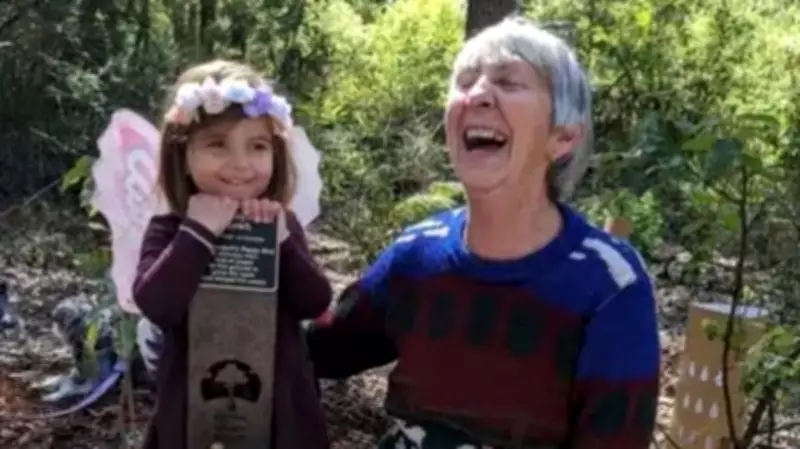
The process involves using cremated ashes, which are typically stored in urns or scattered, to nourish young trees. Specialized biodegradable urns or pods are designed to hold the ashes along with soil and seeds, allowing the remains to decompose naturally and support the growth of a tree. This method transforms a final resting place into a living memorial, contributing to green spaces and biodiversity.

Benefits of This Approach:
- Environmental Sustainability: It reduces the carbon footprint associated with traditional burials and cremation, promoting reforestation and habitat creation.
- Space Efficiency: Trees can be planted in parks, forests, or dedicated memorial groves, utilizing land more effectively than individual burial plots.
- Emotional Significance: Families can visit a growing tree as a tribute to their loved ones, fostering a sense of connection and legacy.
Community and Regulatory Considerations
For this initiative to succeed in Geelong, it will require community support, clear regulations, and collaboration between local government, environmental groups, and funeral service providers. Public awareness campaigns and pilot programs could help demonstrate the feasibility and benefits, addressing any cultural or logistical concerns.
As Geelong explores this innovative solution, it joins a global movement towards more sustainable end-of-life practices, potentially setting an example for other regions facing similar challenges.