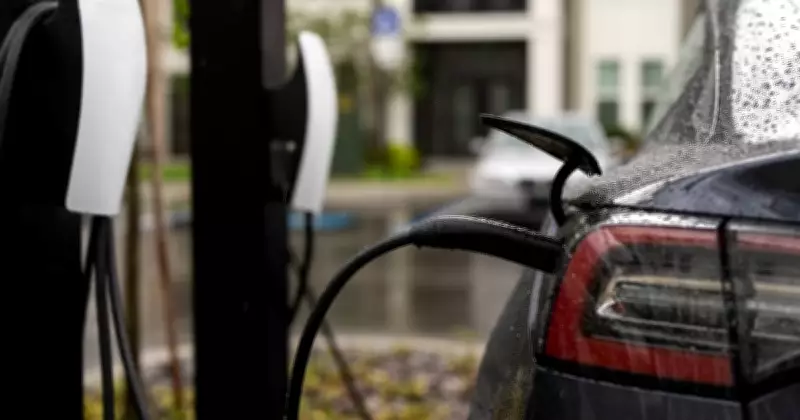
Could a Kerbside Charger Network Revolutionise Electric Vehicle Adoption?
As the world shifts towards sustainable transportation, a new opinion piece has sparked debate on whether a kerbside charger network could be the key to accelerating electric vehicle (EV) adoption in Australia. This innovative approach aims to address one of the most significant barriers to EV ownership: the lack of accessible charging infrastructure, especially for those living in apartments or urban areas without private garages.
The Current Challenges in EV Infrastructure
Currently, many EV owners rely on home charging setups, which require dedicated parking spaces and electrical access. This poses a major hurdle for residents in multi-unit dwellings, where installing individual chargers can be complex and costly. Public charging stations, while growing in number, often involve inconvenient detours and waiting times, deterring potential buyers who prioritise convenience and reliability.
The proposed kerbside network would involve installing charging points along city streets, similar to parking meters or lamp posts. This would allow EV drivers to plug in their vehicles overnight or during the day while parked, mimicking the ease of refuelling at a petrol station but with greater accessibility for daily use.

Potential Benefits and Implementation Hurdles
Experts suggest that such a network could significantly boost EV uptake by making charging as straightforward as parking. For urban dwellers, it eliminates the need for costly home installations and provides a practical solution for those without off-street parking. Additionally, it could reduce range anxiety—a common concern among prospective EV buyers—by ensuring chargers are readily available in residential neighbourhoods.
However, implementing a kerbside charger network is not without challenges. Key issues include the high upfront costs of installation, the need for coordination between local governments and utility providers, and potential impacts on street aesthetics and parking availability. There are also technical considerations, such as ensuring the electrical grid can handle increased demand and integrating smart technology to manage usage efficiently.
Global Examples and Local Adaptations
Internationally, cities like London and Amsterdam have already piloted kerbside charging schemes with promising results. These initiatives often involve partnerships with private companies to share costs and leverage existing infrastructure, such as streetlights. In Australia, similar projects could be tailored to local conditions, focusing on high-density urban areas where the need is greatest.
Advocates argue that a kerbside network aligns with broader sustainability goals, supporting the transition to cleaner transport and reducing greenhouse gas emissions. As governments set ambitious targets for EV adoption, innovative solutions like this could play a crucial role in meeting those objectives.
In conclusion, while a kerbside charger network presents logistical and financial hurdles, its potential to democratise EV access and drive widespread adoption makes it a compelling topic for further exploration and investment in the Australian context.