Free Community Recycling Centres Tackle Tricky Household Waste in NSW
Do you have old paint cans, empty batteries, or used gas bottles cluttering up your home and are unsure how to dispose of them safely and responsibly without breaking the bank? The answer might be closer than you think—your local Community Recycling Centre (CRC). These essential facilities provide a permanent, year-round solution for New South Wales householders to drop off common problem waste items that cannot be handled by regular kerbside collection services. Best of all, this service is completely free of charge.
What Items Are Accepted at Community Recycling Centres?
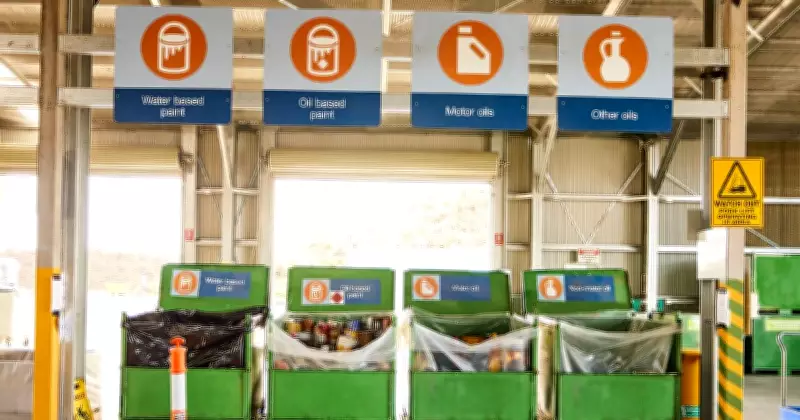
CRCs address the challenge of how households can dispose of tricky items that often end up in landfill, despite containing valuable resources or hazardous materials. They accept a wide range of items, including paints, motor oils, car and household batteries, gas bottles, and fluorescent globes and tubes. Designed specifically for households, these centres take smaller quantities only, typically limiting drop-offs to a maximum of 20 litres or 20 kilograms per waste type to ensure accessibility and safety.
The impact of using CRCs extends far beyond simply decluttering your home. By sorting your waste and taking it to these dedicated centres, you directly contribute to improved recycling rates, conserving precious water, energy, and other valuable natural resources. This proactive approach helps reduce environmental harm and promotes a more sustainable lifestyle.

What Happens to Your Waste After Drop-Off?
Once you drop off your waste at a CRC, the journey of these seemingly problematic items showcases the power of recycling. For example, paints are given a new lease on life by being mixed with other waste solvents to serve as an alternative fuel source in cement kilns, while their metal containers are diligently recycled. Lead-acid batteries are sent to specialised recyclers where components like lead, acid, and plastic are recovered and repurposed.
Household batteries, packed with valuable materials such as lithium, nickel, and zinc, can also be recovered and reused in new products. However, the current national recycling rate for household batteries remains low at just 15 per cent, underscoring the critical need for increased public participation. To boost this rate, residents can easily dispose of loose handheld batteries—including AA, AAA, C, D, 9V, 6V, and button cell types—at supermarkets and retailers like Woolworths, Coles, Aldi, IGA, and Bunnings, as well as B-cycle accredited locations.
Fluorescent tubes and globes containing mercury undergo a meticulous process where recyclers crush them to separate phosphor powder from glass. The powder is filtered to capture fugitive mercury emissions, which are then separated by distillation and sold for industrial uses, with metals also recycled. Gas bottles have their residual gas captured for reuse; undamaged bottles are retested and re-stamped for the hire industry, while damaged ones are punctured and recycled as scrap metal. Used oils are processed to become lubricants again or used for waste-to-energy initiatives.
Safety Tips and Additional Disposal Options
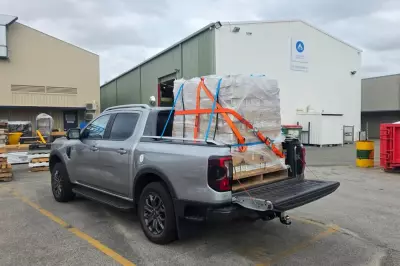
Before visiting a CRC, it is wise to contact your local centre to confirm if other specific waste types are accepted and if any charges apply. When transporting items, careful handling is paramount; protect your vehicle by placing items on a protective sheet or tray to contain any potential leakages or breakages. For safety, tape both ends of battery terminals before drop-off to prevent sparks and store them away from children.
For more hazardous household chemicals, such as cleaners, pool chemicals, and pesticides, the Household Chemical CleanOut event is the best solution. This mobile collection service operates at various locations across NSW on specified dates throughout the year, ensuring safe disposal of these more volatile substances.
By embracing your local CRC, you are not just getting rid of waste; you are actively participating in a greener, more sustainable future for New South Wales. For more detailed information, including opening times and accepted items, visit the NSW EPA website. Note that businesses are not eligible to use CRCs and should contact a waste disposal service directly.