Raja Ampat stands as a globally celebrated epicentre of marine biodiversity, offering an unparalleled underwater spectacle for nature enthusiasts and divers alike. This Indonesian archipelago, located in the remote region of West Papua, is a true natural wonder that continues to captivate visitors from around the world.
The Meaning Behind the Name
The name Raja Ampat translates to Four Kings in the local language, a title that pays homage to the four principal islands that form the heart of this island group. These key islands are Waigeo, Batanta, Salawati, and Misool, each contributing to the region's unique ecological and cultural tapestry.
A Vast Archipelago of Islands
Comprising more than 1500 small islands, cays, and shoals, Raja Ampat presents a sprawling and diverse landscape above and below the water. This extensive network of landforms creates a mosaic of habitats that support an incredible array of marine life, making it a premier destination for underwater exploration.

Unrivalled Coral Reef Ecosystems
The coral reef ecosystems in Raja Ampat are among the richest and most vibrant on the planet. These reefs boast a vast diversity of coral species, providing a critical foundation for the marine food web. The health and complexity of these reefs contribute significantly to the area's status as a biodiversity hotspot.
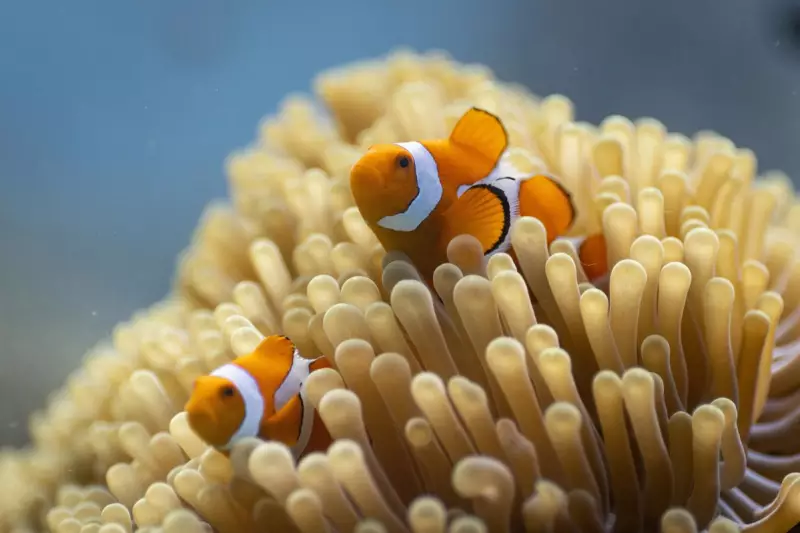
Accompanying the corals is an astonishing variety of fish species, including iconic residents like the clown anemonefish. The interplay between the coral structures and the fish populations creates a dynamic and colourful underwater environment that is a dream for divers and marine biologists.
A Diver's Paradise
Raja Ampat has earned a well-deserved reputation as a popular and sought-after destination for divers. The clear waters, coupled with the extraordinary marine biodiversity, offer unforgettable diving experiences. Whether exploring shallow reefs or deeper drop-offs, divers can witness a thriving underwater world that highlights the importance of marine conservation.
This region not only serves as a recreational haven but also as a vital area for scientific research and environmental protection. Its global significance underscores the need to preserve such natural treasures for future generations.