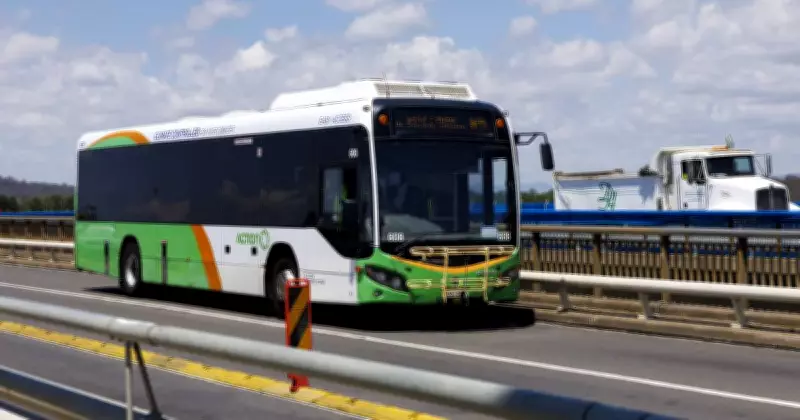
Minister Criticises Review of Canberra's Rapid Bus Network
A recent review of Canberra's rapid bus network has drawn sharp criticism from Transport Minister Chris Steel, who claims the assessment fails to adequately address critical service issues and may impede efforts to enhance public transport in the capital. The review, which examined the performance and efficiency of the network, has become a focal point of debate over the future of Canberra's transit system.
Key Concerns Raised by the Transport Minister
Minister Steel expressed significant concerns that the review overlooks essential aspects of the bus network's operations. He argued that it does not sufficiently tackle problems such as reliability, frequency, and accessibility, which are vital for improving rider experience and boosting public transport usage. According to Steel, the review's findings could potentially slow down necessary upgrades and reforms needed to make the network more effective and user-friendly.
The minister emphasised that any evaluation of the rapid bus network must consider the broader goals of reducing traffic congestion and promoting sustainable transport options in Canberra. He pointed out that without a comprehensive approach, the review risks undermining progress toward these objectives.

Implications for Public Transport in Canberra
The criticism highlights ongoing challenges in managing and improving Canberra's public transport infrastructure. The rapid bus network is a key component of the city's transit strategy, designed to provide fast and efficient connections across urban areas. However, issues such as delays, overcrowding, and inconsistent service have been persistent concerns among commuters.
This review and the subsequent ministerial response underscore the complexities involved in balancing operational assessments with practical improvements. Stakeholders, including transport authorities and community groups, are now calling for a more holistic approach that integrates feedback from riders and aligns with long-term transport planning.
Next Steps and Future Considerations
In light of the criticism, there are calls for a revised or supplementary review that addresses the gaps identified by Minister Steel. This could involve more detailed analysis of service metrics, rider satisfaction surveys, and comparisons with other cities' rapid transit systems. The outcome of this process will likely influence funding decisions and policy directions for Canberra's public transport in the coming years.
Ultimately, the debate over the rapid bus network review reflects broader tensions in urban transport management, where bureaucratic evaluations must meet the practical needs of daily commuters. As Canberra continues to grow, ensuring a robust and responsive public transport system remains a priority for both government officials and residents.