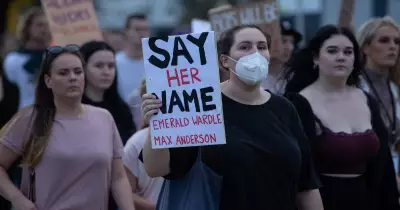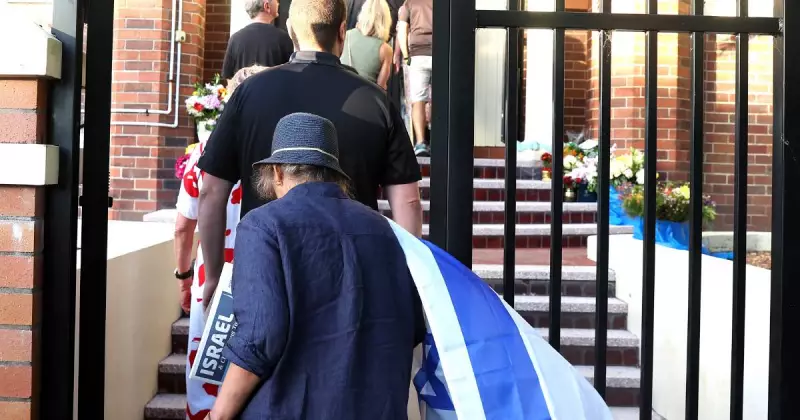
A vigil held at a Newcastle synagogue this week became a powerful symbol of communal solidarity and quiet reflection following the violent attack at Bondi. As the sun set on Wednesday, December 19, 2025, flowers and flickering candles lined the fence, with people from diverse backgrounds standing together in silence to honour the victims.
Letters reveal divided community perspectives
The attack has ignited a fierce debate in the pages of the Newcastle Herald, with readers expressing starkly different views on responsibility and response. In one published letter, Melissa Barrass from Carrington argued that blame should be placed squarely on the perpetrators, not on multiculturalism or faith. "Opposing anti-Semitism and opposing violence against Palestinians are not competing positions," Barrass wrote, linking current anti-racist movements to a long history of anti-fascism.
This perspective was strongly contested by other correspondents. Jan Phillip Trevillian from Fennell Bay accused the Herald of bias since the start of the Gaza war and described an "explosion of anti-Semitism in Australia." Trevillian claimed the situation mirrored pre-war Germany and suggested Jewish Australians might no longer feel safe.

Calls for government action and accountability
Several letter writers directed criticism at the Australian government. Garry Robinson of Mannering Park labelled increased security funding for Jewish groups as "too little, too late," blaming a lack of early action for allowing anti-Semitism to grow. Tony Mansfield from Lambton rejected claims that questioning the government's response was politically motivated, stating that demanding accountability was not a right-wing stance but a necessary one.
Peter Ronne of Woodberry urged authorities not to let the focus on anti-Semitism distract from the urgent need for stricter gun control laws. "Guns are not limited by the religion of who is shot by them or who shoots them," he noted, while offering condolences to all victims of the Bondi tragedy.
Defining Australian values in a time of crisis
Amid the conflict, some letters appealed to core national principles. Laurie Bowman from Elermore Vale responded to a friend who blamed religion for the violence by emphasising Australia's foundational values. "Everyone has a right to their beliefs," Bowman wrote, contrasting the actions of extremists with the majority of religious people who contribute positively to community harmony.
Pamela Clark of Newcastle proposed a blunt message for Israeli Prime Minister Benjamin Netanyahu, suggesting he shared responsibility for endangering Jewish communities worldwide through his government's actions in Gaza. The raw human cost of the violence was captured simply by Gwen Collis of Mayfield: "I went to the beach on Saturday. No one shot me. My friend went to the beach on Sunday and has not come home."
The collective grief expressed at the Newcastle vigil stands in sharp contrast to the divisive and often angry debate unfolding elsewhere. The letters to the editor present a microcosm of the national conversation, grappling with issues of security, prejudice, political accountability, and the very meaning of Australian identity in the wake of tragedy.