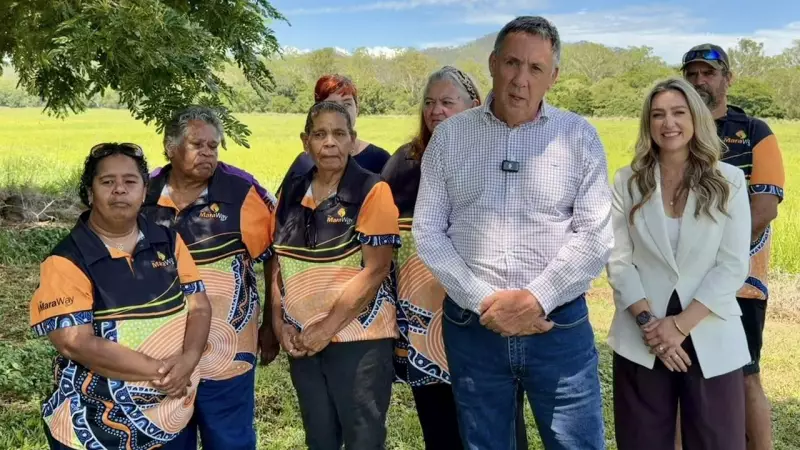
A bold new initiative on a farm in Mareeba is taking a hands-on approach to tackling the complex issue of youth crime in Far North Queensland. The program moves beyond traditional punitive measures, focusing instead on providing intensive support and practical skills to young people at risk.
A Proactive Approach on the Land
The program, which commenced operations earlier this year, is situated on a working farm property. It is designed to offer a structured, residential environment for young participants. The core philosophy is to address the underlying factors that can lead to offending, such as a lack of stable housing, education disengagement, and limited future prospects.
Participants in the program receive around-the-clock support from dedicated youth workers and mentors. The daily routine blends practical farm work with educational components and life skills training. This includes learning about animal husbandry, horticulture, and machinery operation, alongside literacy, numeracy, and personal development sessions.

Building Skills and Changing Trajectories
The initiative is not a sentencing program but is targeted at young people who are identified as being highly vulnerable to entering or re-entering the youth justice system. Referrals come through community organisations and government channels. The goal is early intervention, providing a positive pathway before more serious cycles of crime begin.
By immersing young people in a different environment away from potential negative influences, the program aims to break existing patterns. The combination of responsibility, routine, and relationship-building is seen as key to fostering self-esteem and a sense of purpose. Organisers report that engagement in tangible work, like caring for animals or growing food, provides immediate, positive feedback and a sense of achievement often missing from these young lives.
Community Response and Future Goals
The Mareeba-based program has garnered attention from local community leaders and justice advocates who have long called for more preventative solutions. While the program is still in its relative infancy, early indicators focus on improved engagement and stability among participants.
The ultimate measure of success will be a reduction in reoffending rates among those who complete the program. Proponents argue that investing in such intensive support is not only more humane but also more economically sensible in the long term, reducing the far greater costs associated with incarceration and repeated crime.
As communities across Far North Queensland continue to grapple with youth crime, this farm program represents a tangible, alternative model. Its progress will be closely watched as a potential blueprint for combining welfare, education, and practical training to steer vulnerable young people toward more positive futures.